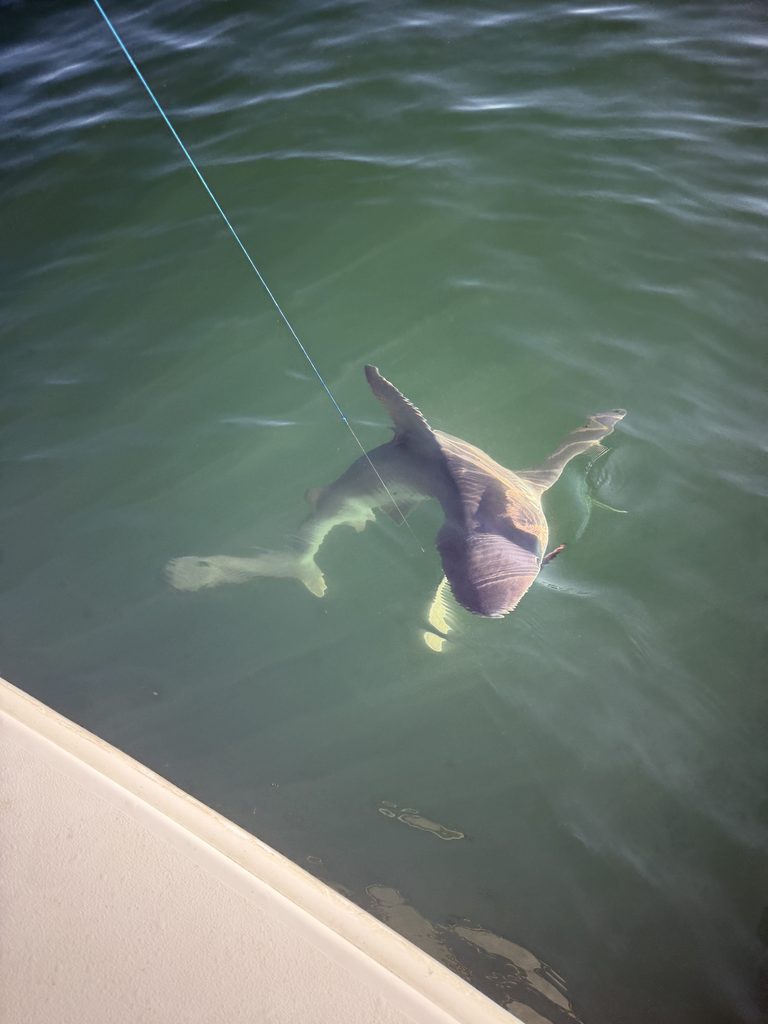
Fishermen along Connecticut’s Long Island Sound are confronting an unexpected foe this summer: a growing population of brown sharks. Mike Roy, owner of Reel Cast Charters in the state, says the sharks are following boats, stealing bait, and even biting hooked fish in half, creating costly setbacks for his charter business and for anglers who rely on the sound’s historic striped bass fishery.
Sharks and the bait fish dilemma
Roy explains that the sharks are drawn to menhaden – locally known as bunker – which serve as the primary live bait for striped bass. “Bunker is the most important fish in the ocean,” he says. “When sharks eat the bunker, we lose the bait that brings in the big bass.” The shortage of bunker this year has already made it harder to locate the trophy‑size striped bass that can exceed 50 pounds, a hallmark of Connecticut’s summer sport fishing.
Local tackle shop Black Hall Outfitters in Westbrook echoes Roy’s concerns. Cashier Will Pedrick notes that customers are reporting sharks taking any lure, from expensive glide baits to simple $3 hooks. “We see it almost every day now,” Pedrick says, adding that the trend has only emerged over the past few years.
Impact on gear and livelihoods
The shark surge is also taking a toll on equipment. Roy recently had to re‑spool his reels after sharks repeatedly snapped lines, costing him dozens of yards of line and hundreds of hooks. “I think I’ve gone through 500 hooks this year,” he estimates, highlighting the financial strain on small‑scale fishing operations that depend on reliable gear.
These challenges extend beyond individual businesses. The striped bass fishery has long been a draw for tourists and out‑of‑state anglers, contributing to the local economy through charter fees, lodging, and restaurant sales. A decline in bass numbers could ripple through the broader community that depends on the sport.
Calls for management and future outlook
Roy argues that a balanced approach is needed, suggesting that sharks be managed similarly to other marine species. “We need to bring a balance back and we need to manage the sharks like we manage other species and allow a season for them,” he says.
The National Oceanic and Atmospheric Administration (NOAA) plans to release a new sandbar shark assessment in early 2027, which may inform future management decisions. In the meantime, the Connecticut Department of Energy and Environmental Protection encourages residents to report shark sightings through its Coastal Shark Reporting Application.
As the brown shark population continues to rebound, local fishermen, charter operators, and conservation officials will be watching closely to see how the ecosystem adjusts and what steps are taken to protect both the marine environment and the livelihoods that depend on it.
Original reporting: NBC Connecticut — read the source article.