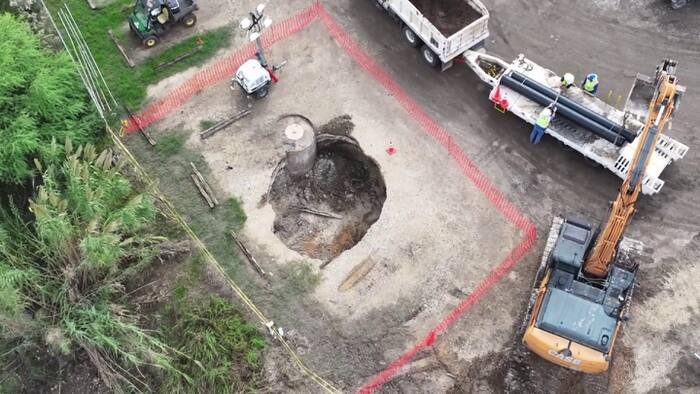
San Antonio Water System (SAWS) crews were dispatched Tuesday afternoon to the 5900 block of Bicentennial Drive, near Interstate 10, after a 24‑inch concrete sewer main on the city’s Northwest Side gave way under the weight of recent heavy rains. The failure released a volume of wastewater that surpassed the threshold requiring a public notice, according to SAWS officials.
Cause and immediate impact
SAWS explained that the unprecedented rainfall overwhelmed the underground line, causing the concrete pipe to collapse and spill. While the rainwater diluted the sewage, reducing the immediate health risk, the incident still prompted a swift response to protect nearby residents and prevent further environmental damage.
Response and ongoing work
Crews arrived on scene within hours, securing the area, containing the spill, and beginning repairs to the damaged infrastructure. SAWS officials said the utility will continue work in the vicinity as needed, monitoring the site and ensuring that the repaired line meets safety standards before restoring full service.
Historical context and investment
This is not the first time the Bicentennial Drive corridor has experienced a sewer main failure. In April, SAWS responded to a similar collapse of a 24‑inch pipe in the same area, which released more than 100,000 gallons of wastewater. The repeat occurrence underscores the challenges that aging infrastructure faces during extreme weather events.
SAWS highlighted that the utility has invested $1.2 billion over the past 12 years to modernize San Antonio’s sewage system, including pipe replacements, pump station upgrades, and advanced monitoring technologies. These investments aim to improve resilience against future storms and reduce the likelihood of similar incidents.
What residents should know
Neighbors in the affected block were advised to avoid direct contact with standing water and to follow any posted signage until the area is declared safe. SAWS will provide updates through its website and local news outlets as repair work progresses.
City officials continue to work with SAWS to prioritize infrastructure projects that protect public health and maintain the reliability of essential services. The recent spill serves as a reminder of the importance of ongoing investment in critical water and wastewater systems, especially as climate patterns bring more intense rainfall to the region.
Looking ahead
SAWS plans to conduct a thorough assessment of the Northwest Side network to identify any additional vulnerabilities. The utility’s long‑term strategy includes expanding capacity, enhancing flood‑plain management, and leveraging federal and state funding to support infrastructure resilience.
Residents can stay informed by visiting the SAWS website, signing up for alerts, and attending upcoming community meetings where the utility will discuss future projects and answer questions about water quality and system upgrades.
Original reporting: San Antonio, TX News (HLL/CB) — read the source article.