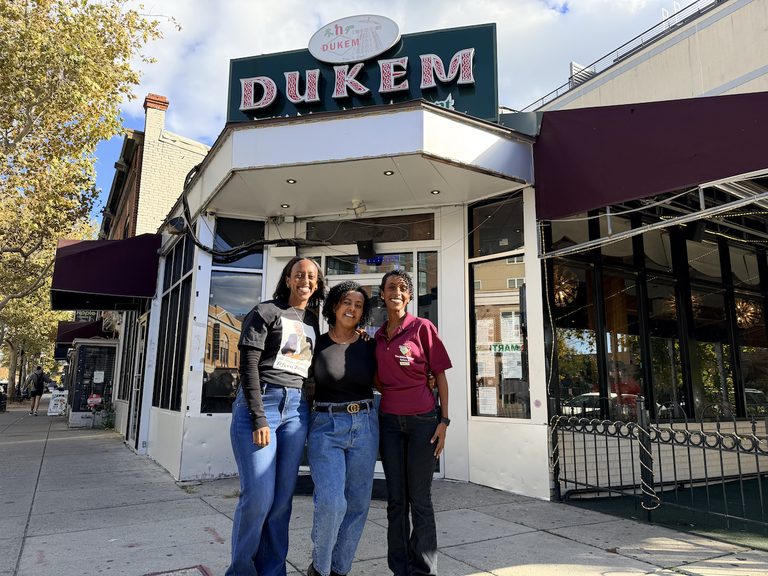
On Saturday, Nov. 7, Dukem Ethiopian Restaurant on U Street served its final tables, marking the end of a 30‑year legacy that helped shape the culinary and cultural landscape of Washington, D.C. Founder Tefera Zewdie and his wife, Hiwot Gebru, opened the modest carry‑out in 1997, later expanding it into a full‑service dining destination that became a gathering place for residents and visitors alike.
Community reflections on a beloved staple
Gregory Jackson Jr., president of the Rocket Foundation and longtime patron, described the closing as both “sad” and “glorious,” noting the restaurant’s role in fostering a sense of belonging. “You feel like you’re part of the family, not just a customer,” he said after enjoying a final plate of lamb tibs with rice. Jackson added that Dukem exemplifies how the city should better support small businesses, urging tax breaks and incentives to preserve the lifeblood of the District’s economy.
Founders’ youngest daughter, Lydia Tefera, recalled the restaurant’s impact on personal milestones: first dates, marriages, and family meals spanning generations. “Dukem has done so much beyond just food,” she said, emphasizing the lasting memories that live on in the community.
Broader challenges for D.C. small businesses
The closure comes amid a troubling trend for local eateries. The Restaurant Association of Metropolitan Washington reported 92 restaurant closures in 2025, up from 73 in 2024 and 48 in 2022. High‑profile U Street venues such as Marvin (closed 2019) and Alero (closed 2025) have also shuttered, underscoring pressures from rising costs and the city’s tax structure.
Local resident Liz Crowther, who grew up near Malcolm X Park, echoed these concerns, noting that “the cost of living has just increased so much.” She stressed the importance of preserving cultural institutions and supporting local media to keep the neighborhood’s character alive.
Political context and future outlook
D.C. Mayor‑elect Janeese Lewis George visited Dukem in its final weeks, sharing a meal of tibs with Lydia Tefera. While she expressed admiration for the family’s perseverance, no plans have been announced to relocate or revive the U Street location. The mayor‑elect’s recent social‑media outreach highlighted the need for policies that protect family‑run businesses, aligning with community calls for tax relief and incentives.
Despite the closure, the Tefera sisters remain optimistic about the restaurant’s legacy. They emphasized that the spirit of Ethiopian hospitality and culture continues to thrive throughout the city’s ten‑plus Ethiopian establishments, many of which trace mentorship back to Dukem’s founders.
What’s next for the U Street culinary scene?
While Dukem’s doors have closed, the neighborhood’s vibrant food scene persists. New and existing eateries are poised to fill the gap, and community leaders hope that the city’s upcoming budget will allocate resources to support these small‑business anchors. The ongoing dialogue between local entrepreneurs, residents, and the incoming administration suggests a collaborative path forward to sustain D.C.’s diverse culinary heritage.
Original reporting: The Washington Informer — read the source article.