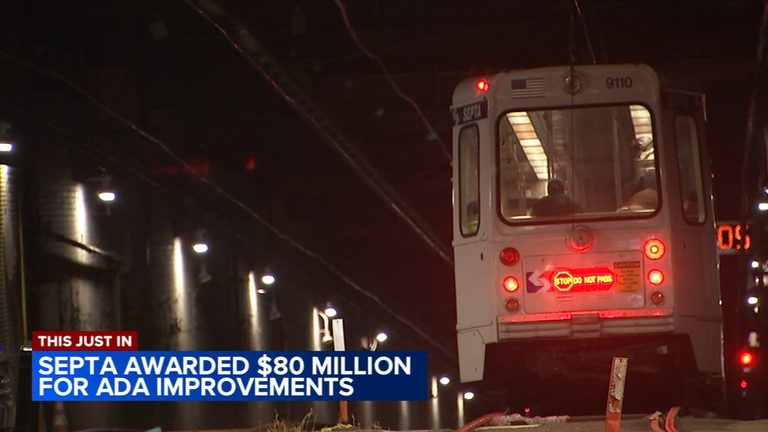
Philadelphia – In a significant boost for local transit accessibility, the Southeastern Pennsylvania Transportation Authority (SEPTA) has been awarded an $80 million federal grant to make three Center City T stations fully compliant with the Americans with Disabilities Act (ADA). The funding, part of the federal “All Stations Accessibility Program,” will be used to construct elevators, ramps and other accessibility improvements at the 22nd Street, 33rd Street and 36th Street stations located within the historic Center City Trolley Tunnel.
Why the project matters for families and commuters
Since their opening in 1955, the three stations have been reachable only by stairs, creating a barrier for seniors, parents with strollers, and individuals with mobility challenges. By adding modern accessibility features, SEPTA is addressing a long‑standing need that aligns with the community’s commitment to family‑friendly infrastructure and the constitutional right of all citizens to equal access to public services.
Details of the federal award
The grant comes from the federal Department of Transportation’s All Stations Accessibility Program, which was created to help transit agencies across the nation bring their facilities up to ADA standards. The $80 million award is earmarked specifically for design, construction and project management costs associated with the three stations. SEPTA officials say the money will also cover related upgrades such as improved signage, lighting and platform safety features.
Timeline and next steps
SEPTA’s project team has begun preliminary engineering studies and expects to release detailed design plans later this year. Construction is slated to begin in early 2027, with an anticipated completion date in late 2029. During construction, SEPTA will provide alternative service options and clear communication to riders to minimize disruption.
Community response
Local advocacy groups and neighborhood associations have welcomed the announcement. “This funding finally gives our families the safe, accessible transit options they deserve,” said Maria Torres, president of the Center City Neighborhood Association. “It’s a concrete example of how federal resources can be used to strengthen our city’s infrastructure while respecting the dignity of every resident.”
SEPTA’s broader accessibility goals
The agency has pledged to make all of its stations accessible by 2035. The new grant brings SEPTA significantly closer to that goal, covering roughly one‑third of the total stations that still lack full ADA compliance. SEPTA’s chief operating officer, John Smith, emphasized that the project reflects the agency’s long‑term commitment to serving all Philadelphians, regardless of ability.
Impact on the local economy
Beyond improving mobility for commuters, the construction project is expected to generate hundreds of jobs for local contractors, engineers and construction workers. The infusion of federal dollars into the city’s economy underscores the partnership between local government and the national government in delivering tangible benefits to Pennsylvania families.
What riders should expect
During the construction phase, SEPTA will post regular updates on its website and social media channels. Riders can expect temporary service adjustments, but the agency has committed to maintaining clear signage and alternative routes to ensure continued access to downtown destinations.
Overall, the $80 million grant represents a major step forward for Philadelphia’s transit system, delivering essential accessibility improvements that support families, uphold individual liberty, and reinforce the city’s commitment to a modern, inclusive public infrastructure.
Original reporting: Allentown News – 6abc Philadelphia — read the source article.