When 80‑year‑old Maryann Drake of Smith Village wants a bite to eat or a drink with friends, she heads to the Oak Room, the only tavern east of Western Avenue in the Morgan Park‑Beverly area. The pub is located inside the senior‑living community at 2330 W. 113th Place, a site that historically fell within a dry precinct established by the Illinois Liquor Control Act of 1934.
Resident‑driven demand created the space
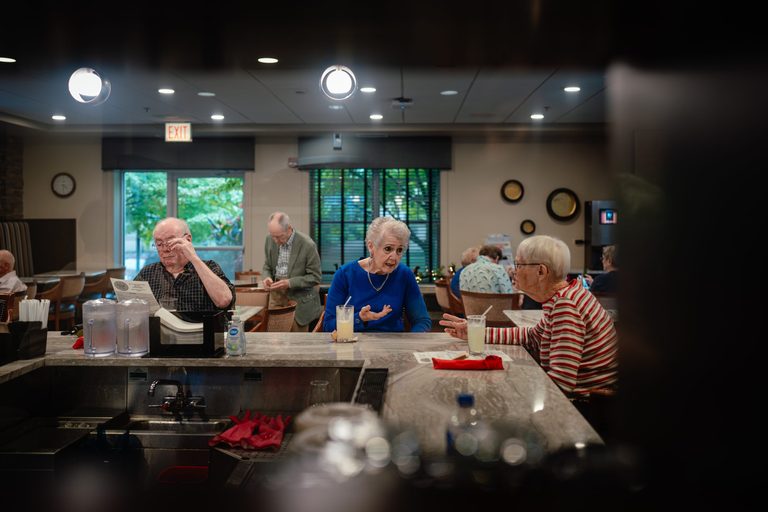
Smith Village opened the Oak Room in 2019 after a series of focus groups indicated residents wanted a casual gathering place separate from the formal dining room. Executive director Marti Jatis said the space was an unused area that could be transformed into a “pub” for residents and their guests. The venue seats about 30, features a full bar, televisions, and even a kegerator that serves wine on tap.
Drake, a retired nurse who moved to Smith Village six years ago, is among the self‑identified “barflies” who visit most evenings. “I like the casual atmosphere,” she told reporters. “I don’t usually eat in the dining room; it’s too formal. I like to eat my dinner in the pub. Everybody is very open, talking to each other and comfortable.”
A rare liquor license in a historically dry area
The city approved a limited liquor license for Smith Village in May 2014, permitting alcohol service only to residents and their guests on the campus. While the license initially allowed drinks in the dining room, the Oak Room did not open until five years later at residents’ request. To make the change, Smith Village’s operator, Smith Senior Living, worked with the 19th Ward office to transition the campus from dry to wet status.
Alderman Matt O’Shea (19th) assisted the senior center through the licensing process and hosted a community meeting that received positive feedback. “It wasn’t going to be open to the public,” O’Shea explained, noting that the limited‑access nature of the pub eased neighbor concerns.
Changing the neighborhood’s drinking landscape
The Oak Room is one of only two taverns east of Western Avenue in the 19th Ward. The other is an Italian restaurant with a banquet hall on 95th Street, operated by the Barraco family. Both establishments secured liquor licenses after decades of referendums that kept the area dry. Historical accounts suggest early opposition stemmed from cultural tensions, with some longtime residents wary of Irish Catholic drinking habits.
Despite the Oak Room’s success, the broader precinct remains dry, and future changes appear unlikely in the near term. Community groups such as the Beverly Area Planning Association continue to support small businesses seeking exemptions, emphasizing the importance of local entrepreneurship while respecting neighborhood preferences.
What residents enjoy at the Oak Room
Patrons describe the atmosphere as reminiscent of the classic TV show “Cheers,” where staff know regulars by name. Bartender Alondra Martinez is frequently praised for her attentive service. Residents favor wine and beer, with many opting for a glass of pinot grigio or a sweet wine. The pub also hosts trivia nights and “Jeopardy!” watch parties, providing a social hub for seniors and their visiting families.
While the Oak Room’s presence marks a modest shift in the area’s alcohol policy, it remains a private amenity serving a specific community. Its existence illustrates how focused, resident‑led initiatives can navigate historic regulations to enhance quality of life for seniors in Chicago’s South Side.
Original reporting: Block Club Chicago — read the source article.