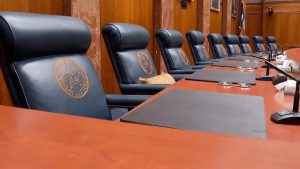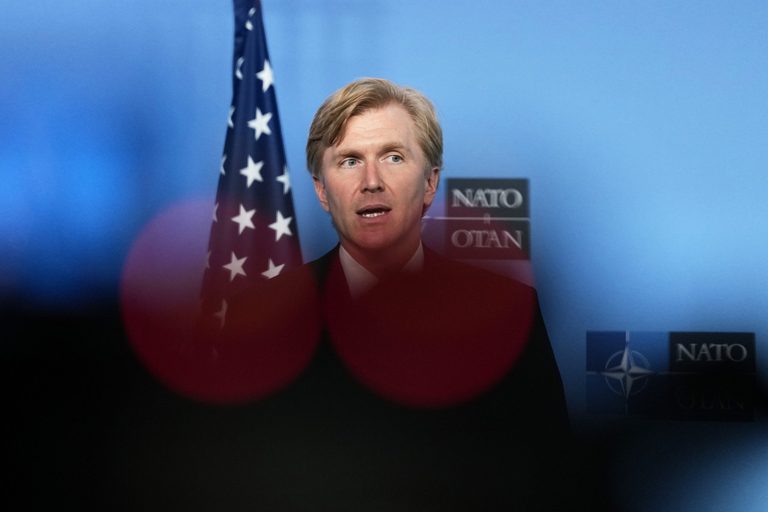
Washington — Lawmakers from both parties voiced strong disappointment Thursday after Defense Undersecretary Elbridge Colby did not provide the comprehensive, classified briefing that the Senate Armed Services Committee was mandated to receive on the Trump administration’s National Defense Strategy. The briefing, required by the annual National Defense Authorization Act, was due no later than Sept. 15.
Congressional concerns over transparency
Sen. Jacky Rosen (D‑NV), a member of the Armed Services Committee, said Colby “was not forthcoming” and failed to address the committee’s core questions. Republican Sen. Kevin Cramer (R‑ND) described the session as “just sort of dodge and punt,” adding, “It’s very peculiar to have somebody come in for a congressionally mandated update and not have a statement.” Sen. Mike Rounds (R‑SD) echoed the sentiment, stating, “They owe us a report, and we did not get the report.”
Sen. Mark Kelly (D‑AZ) raised specific worries about the strategy’s implications for the ongoing Iran conflict, labeling the current situation a “munitions deficit” that could take three years for contractors to replenish critical weapons such as defensive missile interceptors.
Administration’s rationale
Colby acknowledged that discussions about deploying the National Guard for voter security on Election Day were taking place, but he stopped short of confirming any definitive plans. When pressed directly about whether he had led any talks on sending troops to polling places, Colby said he had heard of such discussions but was not leading them, noting, “Never once said ‘yes’ or ‘no.’” The administration’s position aligns with the broader “America First” approach outlined in the strategy, which emphasizes non‑intervention overseas and a careful review of long‑standing strategic relationships with European allies.
Defense Secretary Pete Hegseth and Joint Chiefs Chairman Gen. Dan Caine have already affirmed that there are “no plans to send Federal military personnel or Federalized members of the National Guard to polling places during the 2026 elections,” reinforcing the administration’s commitment to keeping the military out of the electoral process.
Mixed reactions among senators
Not all lawmakers were critical. Sen. Jim Banks (R‑IN) called the briefing “constructive, substantive” and said it “answered all my questions.” Sen. Roger Wicker (R‑MS), chairman of the Senate Armed Services Committee, declined to comment further, indicating he would not discuss the classified session publicly.
The tension between the Pentagon and Congress highlights an ongoing debate over how much detail the executive branch should share with legislative overseers, especially when national security and election integrity intersect. While some senators demand greater transparency, the administration maintains that its strategy reflects the President’s vision of a strong, sovereign America that protects its citizens without unnecessary foreign entanglements.
Original reporting: Alexandria, VA News – WTOP News — read the source article.