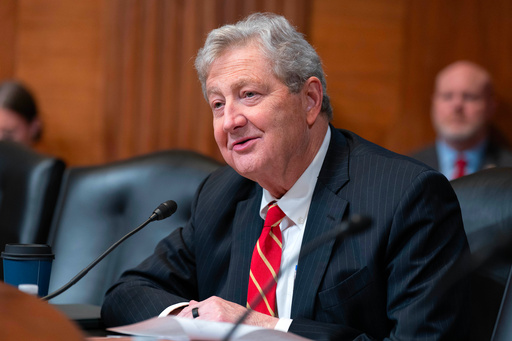
The Senate in Washington moved last week on a gesture that won unanimous support: a resolution to withhold senators’ pay during future government shutdowns. Democrats and Republicans voted the same way, and the headline landed everywhere because it looks tough and fair. The question is whether a payday pause for lawmakers actually changes behavior or simply lets Capitol Hill pretend accountability without fixing the incentives that fuel shutdowns.
Here’s the blunt truth from a conservative angle. Lawmakers already know the political cost of shutting the government down, so a symbolic pay-withholding vote is cheap theater. Most senators make $174,000 a year and few want the optics of refusing pay, so the vote carries more headline heat than actual bite. It satisfies the urge to punish but leaves the core incentives untouched.
Why did the vote get unanimous support? Because no senator wants to be the one who opposes a measure that says members should forfeit pay while Americans feel the pain. That impulse spans parties. Democrats and Republicans alike are wired to avoid political suicide, especially when the cameras are rolling. The result is safe signaling that rarely forces meaningful changes in lawmaking behavior.
Put another way, voters get performance theater instead of policy reform. Withholding pay during shutdowns treats the symptom and not the disease. If the goal is to prevent shutdowns, lawmakers need rules that change the structure of negotiation and budgeting, not a vote that looks tough for one afternoon and is forgotten the next.
Practical fixes exist and they are straightforward. Require an automatic, short-term continuing resolution that keeps the government funded while Congress finishes negotiations. Tie future pay adjustments to the timely passage of appropriations, not to ad hoc punishments that can be gamed. Reinforce the budget process with stricter deadlines and penalties that bite the institutions and leadership who let shutdowns happen.
Voters also matter. When constituents demand accountability at the ballot box, representatives listen. Public pressure works best when it focuses on outcomes like keeping the government open and protecting services that people rely on. Republicans who push for real structural reform can win by framing shutdown prevention as fiscal responsibility and good governance rather than empty moralizing.
Of course, any serious change will be resisted by members who benefit from the status quo. Leaders on both sides have incentives to hold out for political wins that matter to their base or their donors. That’s why reform must shift incentives away from brinksmanship and toward steady, predictable budgeting, making shutdowns a political dead end rather than a bargaining tactic.
Letting the pay-withholding vote be the only answer would be a missed opportunity. Lawmakers should be pressed to adopt enforceable mechanisms that keep the lights on, protect servicemembers and federal workers, and stop using government funding as a hostage to pure politics. Real accountability is not applause in the Senate chamber; it is systems that make shutdowns costly and rare.