One month before the November election, the Senate landscape is sharpening, and President Trump is on the ground in Ohio, underscoring the importance of the state’s race between Republican Sen. Jon Husted and former Democratic Sen. Sherrod Brown. The Ohio contest is one of seven Senate toss‑ups identified by the Cook Political Report, alongside battles in Alaska, Iowa, Maine, Michigan, New Hampshire and Texas.
Trump’s Ohio rally highlights Senate stakes
President Trump addressed a crowd in Ohio on Saturday, emphasizing that the outcome in the Buckeye State could tip the balance of power in the Senate. He praised Republican candidate Jon Husted, calling him a “great man,” and expressed personal concern for his chances, saying, “I am because he’s a great man, and I am worried about him. I hope he wins.”
Key competitive races across the nation
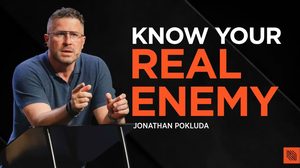
In Kansas, the Senate Republicans’ top campaign‑spending arm is pouring resources into defending incumbent Sen. Roger Marshall against Democratic challenger Adam Hamilton, a pastor who leads the nation’s largest United Methodist Church. The race has become more competitive, a notable shift given that President Trump carried Kansas by double digits in 2024 and the state has not elected a Democrat to the Senate since 1932.
Conversely, the GOP‑aligned Senate Leadership Fund is scaling back its investment in North Carolina, where former Republican National Committee chair Michael Whatley trails former Democratic Governor Roy Cooper in the polls. The seat is open as Republican Sen. Thom Tillis prepares to retire.
Democratic outlook and House dynamics
Democrats must net four seats to reclaim the Senate majority, but the Cook Political Report projects a Democratic pickup of only one to five seats. The party also faces the challenge of defending its current Senate holdings in New Hampshire and Michigan. Analysts note that while the Senate remains a tight contest, Democrats appear to have a clearer path to retaking control of the House of Representatives.
What voters should watch
Voters in the identified toss‑up states should monitor campaign spending shifts, candidate debates, and local endorsements as the election approaches. The evolving map underscores how strategic resource allocation by national party committees can influence outcomes in closely contested races.
As Election Day draws near, the combined efforts of President Trump’s campaign appearances and targeted spending by Senate leadership groups will play a pivotal role in shaping the composition of the upper chamber and, by extension, the nation’s legislative agenda.
Original reporting: Oklahoma City News Feed (HLL/CB) — read the source article.