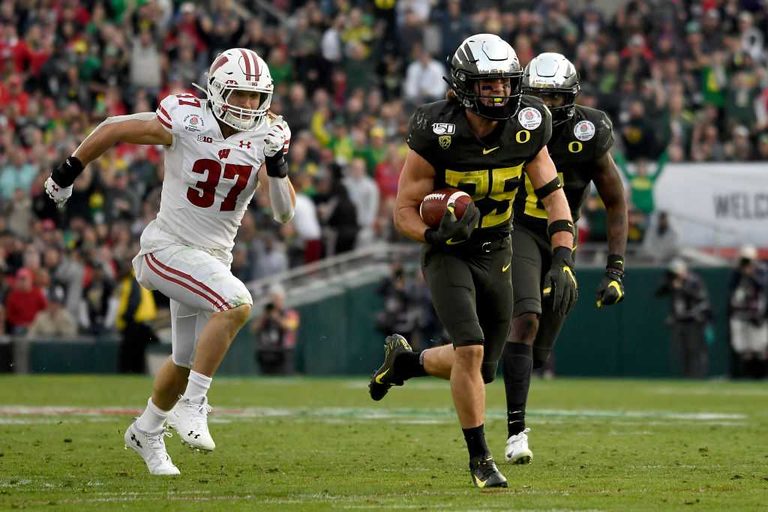
Washington — The Protect College Sports Act, a bipartisan Senate proposal, cleared the upper chamber with a decisive 77‑22 vote and now faces a steep climb in the House as Congress wraps up its lame‑duck session. The legislation, negotiated by Sen. Ted Cruz (R‑Texas) and Sen. Maria Cantwell (D‑Washington), seeks to create uniform federal standards for college athletes’ name, image and likeness (NIL) compensation and to impose limits on how frequently student‑athletes may transfer between schools.
Key provisions of the bill
The bill would establish a nationwide framework that allows athletes to receive compensation for the commercial use of their NIL while preventing a chaotic free‑agency market that could destabilize collegiate programs. It also proposes a cap on the number of transfers an athlete can make within a set period, aiming to preserve team continuity and protect smaller sports that feed the Olympic pipeline.
Supporters cite stability and fairness
Proponents argue that the Act would reduce the torrent of litigation currently plaguing college sports and bring certainty to schools, athletes, and sponsors. By standardizing NIL rules, the legislation is intended to keep revenue‑driven sports such as football and basketball from siphoning resources away from less‑visible programs that develop future Olympians.
Critics say the bill falls short
Opponents contend that the measure does not go far enough to safeguard athletes’ rights or address the massive sums flowing to coaches, universities, and conferences. Some critics, including members of the House Judiciary Committee, warn that the transfer limits could infringe on student‑athletes’ freedom to choose the best academic and athletic environment.
House outlook during the lame‑duck session
With roughly two months remaining in the current congressional term, the bill’s prospects hinge on whether a sufficient number of House Democrats will break ranks. The majority of House members have expressed reservations, and no clear coalition has emerged to champion the legislation. If the bill fails to secure passage before the session ends, supporters will need to restart the process in the next Congress.
Potential impact on college sports
Should the Protect College Sports Act become law, it would mark the first comprehensive federal intervention in collegiate athletics since the NCAA’s early 20th‑century reforms. By aligning NIL compensation with a national standard, the bill could level the playing field for athletes at smaller institutions and reduce the legal uncertainty that has plagued schools nationwide. Conversely, the transfer restrictions could spark debate over student‑athlete autonomy and the balance between institutional stability and individual freedom.
Next steps
Senators Cruz and Cantwell have pledged to work with House leadership to address concerns and refine the bill’s language. A series of hearings and mark‑up sessions are expected in the coming weeks, offering both supporters and detractors a chance to shape the final version before a decisive vote.
As the nation watches the evolving conversation around college athletics, the Protect College Sports Act remains a focal point for discussions about fairness, economic opportunity, and the future of America’s amateur sports tradition.
Original reporting: KOAT Albuquerque — read the source article.