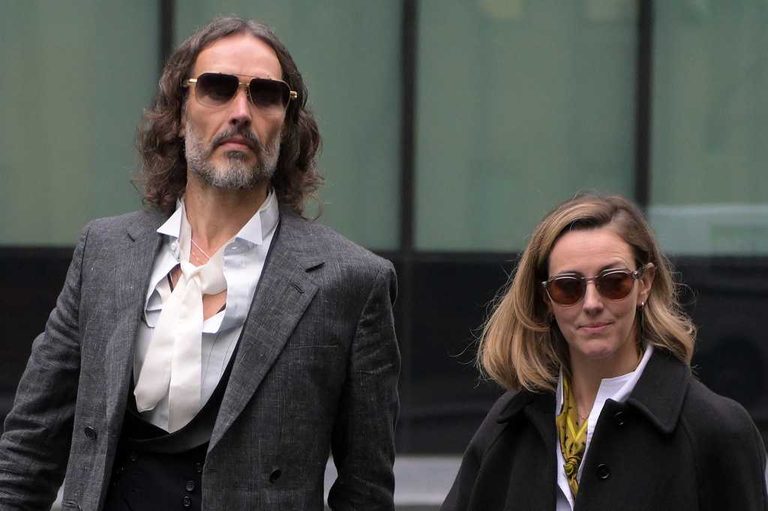
London – On Monday, comedian Russell Brand, 51, was sentenced at Southwark Crown Court after a jury convicted him of raping one woman and sexually assaulting three others. The verdict concluded a high‑profile trial that examined allegations spanning from 1999 to 2009.
Trial details and convictions
The twelve‑member jury, composed of eight men and four women, found Brand guilty on four counts: the rape of a woman at a London bar birthday party in 2004, the sexual assault of a woman at a radio station in 2004‑05, the anally raping of a fan at his home after a backstage meeting in 2009, and the assault of a different woman during a 2009 advertisement recording where he forced his face into her groin. He was cleared of two other rape counts and one attempted indecent assault charge.
Prosecutor Riel Karmy‑Jones described Brand as a “ruthless, calculating, manipulative sexual predator” who treated women as disposable commodities. She cited passages from Brand’s 2007 memoir, My Booky Wook, to illustrate his self‑described obsession with sex and his willingness to remove any obstacle to obtain what he desired.
Brand’s defense and supporters
Throughout the trial, Brand maintained his innocence, insisting that all encounters were consensual. After the verdict, he entered the courtroom in a prison van, accompanied by his wife Laura, who had arrived earlier without him. A small group of supporters, some displaying a banner with crosses, expressed solidarity, invoking Christian symbolism and claiming Brand was “the truth.”
Brand’s legal team argued that the evidence was insufficient and that the accusations were part of a broader media narrative targeting his public persona. However, the jury’s decision reflected the weight of testimony from the four accusers who came forward following a 2023 investigation by The Times and Channel 4.
Background and public reaction
Brand first rose to fame in the early 2000s with television hosting duties, a BBC radio show, and film roles in titles such as Forgetting Sarah Marshall and Get Him to the Greek. His career has been marked by public battles with drug and alcohol addiction, as well as a later shift toward wellness, conspiracy commentary, and a declared religious devotion after relocating to Florida.
The conviction has sparked a range of reactions. Critics emphasize the seriousness of the offenses and the need for accountability, while some of Brand’s fans argue that the legal process was influenced by his controversial public image. The case also reignites broader discussions about how the entertainment industry handles allegations of sexual misconduct.
Legal implications
Under UK law, the convictions carry a significant custodial sentence, though the exact length will be determined at a later sentencing hearing. The court’s decision underscores the judiciary’s willingness to hold high‑profile figures accountable for sexual crimes, regardless of their celebrity status.
The Associated Press, which supplied the original report, noted that the identities of the victims are protected by British law and will remain undisclosed for life.
Original reporting: KOAT Albuquerque — read the source article.