On Monday the U.S. Senate overwhelmingly approved the Protect College Sports Act, a sweeping reform of college athletics that could reshape the financial and competitive landscape for Idaho’s universities. The 77‑22 vote signals bipartisan support for higher compensation for student‑athletes, tighter transfer rules, and protections for non‑revenue Olympic sports.
Key Provisions of the Bill
The legislation would raise the annual cap on payments to student‑athletes from the current $21 million to as much as $49 million. While the higher limit primarily targets the Power Five conferences—Big Ten, SEC, Big 12, ACC and Pac‑12—its existence could influence how schools across the nation, including those in Idaho, structure their athletic budgets.
Another major change allows a student‑athlete to transfer once without penalty, while requiring repeat transfers to sit out a season. The bill also sets a five‑year window for athletes to complete their playing careers, providing clearer timelines for both players and programs.
Idaho’s Perspective
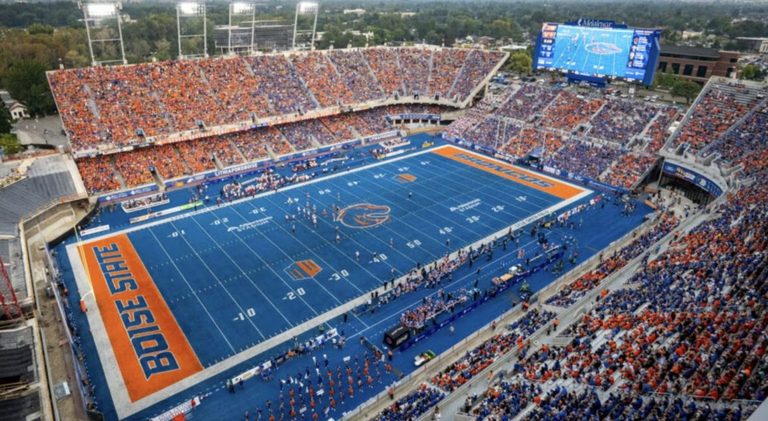
University of Idaho athletic director Terry Gawlik said the $49 million cap is unlikely to affect the Vandals, noting that “we’re never going to get to that level of paying student athletes.” However, Boise State University athletic director Jeramiah Dickey cautioned that the Broncos could feel the impact if they return to the College Football Playoff and face Power Five opponents with larger budgets. Boise State paid its student‑athletes $10 million in the last budget year and is already grappling with a projected $2 million deficit that could swell to $18 million.
Both Gawlik and Dickey praised the transfer limits, saying they will restore stability in locker rooms and give athletes a clear career path. “This is a chapter, not forever,” Dickey said, emphasizing the importance of a defined playing window.
State Response to Federal Changes
The bill deliberately avoids the contentious issue of state bans on pediatric gender treatments for athletes. Senator Ted Cruz, R‑Texas, added language ensuring that federal law would not override state restrictions. Idaho Governor Brad Little, who signed the nation’s first ban on such treatments in 2020, reaffirmed his commitment to protecting women’s sports through spokesperson Emily Callihan.
In parallel, Governor Little has convened a gubernatorial task force to study the future of collegiate sports in Idaho. The group, chaired by Idaho Falls businessman Cortney Liddiard, includes Senate Majority Leader Lori Den Hartog, House Majority Leader Jason Monks, State Board of Education President Kurt Liebich, and representatives from four Idaho colleges and universities. Although the task force’s meetings are not open to the public, its report is expected by the end of October.
Financial Pressures and Facility Monetization
Boise State’s recent financial challenges illustrate the broader pressures facing college athletics. After ending the 2025‑26 season nearly $2 million in the red, the university anticipates a shortfall that could reach $18 million. A $15.6 million windfall from the 2024‑25 College Football Playoff appearance and a Post Malone concert at Albertsons Stadium helped offset earlier deficits.
Universities are increasingly looking to monetize their athletic facilities beyond game days. Boise State’s $70 million North End Zone project aims to host community events year‑round, while the University of Idaho rents its ICCU Arena for summer functions. As competition for the shrinking pool of 18‑ to 22‑year‑old applicants intensifies, schools see non‑sports events—concerts, corporate retreats, and festivals—as essential revenue streams.
What’s Next?
The Protect College Sports Act now moves to the House, which is on recess until after the November election. If the bill does not pass during the post‑election lame‑duck session, the process will restart in 2027, leaving Idaho’s universities in a holding pattern.
Local leaders remain vigilant. “The group is actively monitoring the federal legislation and considering how those changes may intersect with their recommendations,” Callihan said. Both Gawlik and Dickey expressed gratitude for the task force’s attention to what they described as “a very uncomfortable space.”
Original reporting: Idaho Education News — read the source article.