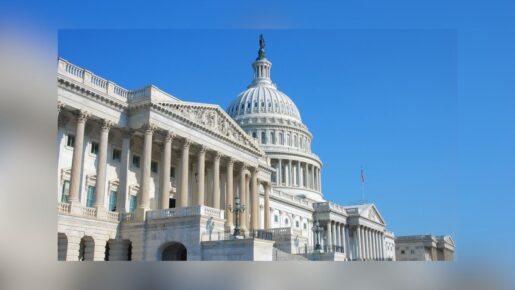
The U.S. Senate has approved a substantial $70 billion package aimed at enhancing immigration enforcement, delivering a legislative victory for President Donald Trump and Senate Republicans. The bill passed with a 52-47 vote, utilizing the budget reconciliation process to bypass the need for a supermajority.
Focus on Border Security
This funding package is primarily directed toward the Department of Homeland Security, including U.S. Immigration and Customs Enforcement and U.S. Customs and Border Protection. Proponents argue that the measure will provide necessary resources to sustain immigration enforcement operations through the remainder of Trump’s term and protect these agencies from future government shutdowns.
The legislation aims to expand detention capacity, increase personnel at border agencies, and support ongoing deportation operations. Republican supporters view the proposal as a long-term investment in border security and enforcement.
Contentious Provisions
A significant point of contention was the proposed $1.8 billion Justice Department “anti-weaponization” fund, which faced criticism for potentially benefiting Trump allies and individuals involved in the January 6 protests at the U.S. Capitol. Despite Democratic efforts to eliminate the fund, it remained in the bill. Some Republicans also expressed concerns, with Sen. Bill Cassidy joining Democratic Sen. Cory Booker in a court challenge against the program.
Senate Majority Leader John Thune acknowledged that disputes over the fund delayed the bill’s passage. Acting Attorney General Todd Blanche attempted to reassure lawmakers that the administration was not proceeding with the fund, though President Trump provided a less definitive stance.
Additional Amendments
During the voting session, several amendments were considered. An effort to incorporate the SAVE America Act, which would require voter identification and proof of U.S. citizenship to vote, failed to gain the necessary support. An amendment to prohibit funding for a proposed Trump ballroom project was also rejected.
Supporters of the immigration package describe it as one of the most significant investments in federal immigration enforcement in recent years. Opponents argue that it focuses too heavily on enforcement while neglecting broader immigration policy issues. The measure now awaits consideration by the House of Representatives, where its future will be determined.
Original reporting: The Dallas Express — read the source article.