On November 9, the U.S. Senate approved a federal permitting bill with a 73-25 vote, pushing the Bipartisan American Affordability and Jobs Act (SB 5653) toward the House. The legislation aims to speed up energy and infrastructure projects by revising key environmental statutes, including the National Environmental Policy Act, the Endangered Species Act, the Clean Water Act and the National Historic Preservation Act.
Tribal opposition in New Mexico
Opposition to the bill is strong among New Mexico’s Indigenous communities. Leaders from Taos Pueblo, Picuris Pueblo and 17 additional tribes warned that the bill would weaken tribal consultation rights, jeopardizing their ability to protect sacred sites, ancestral lands and natural resources. “It weakens all of those consultations that a sovereign tribe has the ability to make, for a project or against a project, that impacts our cultural areas and our cultural sites,” said Taos Pueblo Tribal Secretary Cameron Martinez Sr.
Senators behind the legislation
The bill is sponsored by Republican Sen. Mike Lee of Utah, Democratic Sen. Sheldon Whitehouse, and New Mexico Republican Sen. Heinrich, who joined them in introducing the measure. Sen. Heinrich argued that the legislation is essential for lowering energy costs and creating jobs, stating, “If we have any hope of making energy cheaper and making data centers pay for their own energy costs, then we need to pass our Bipartisan American Affordability and Jobs Act into law.” He added that the bill reflects what Americans told lawmakers they wanted on election day: lower costs, more jobs for American workers, reduced emissions, and protection against what he called “the administration’s attacks on Tribal consultation.”
Local congressional response
New Mexico’s own congressional delegation was split on the vote. Democratic Sen. Ben Ray Luján voted against advancing the bill, while his colleagues Melanie Stansbury (1st District) and Teresa Leger Fernández (3rd District) voiced strong opposition. In a statement, Sen. Luján said, “Making it easier to build clean energy and critical infrastructure projects is important for New Mexico and our nation, and Congress has failed to find a path forward for far too long. However, I share the serious concerns raised by New Mexicans across the state, particularly our Pueblo and environmental leaders, and believe they must be addressed.”
Implications for New Mexico
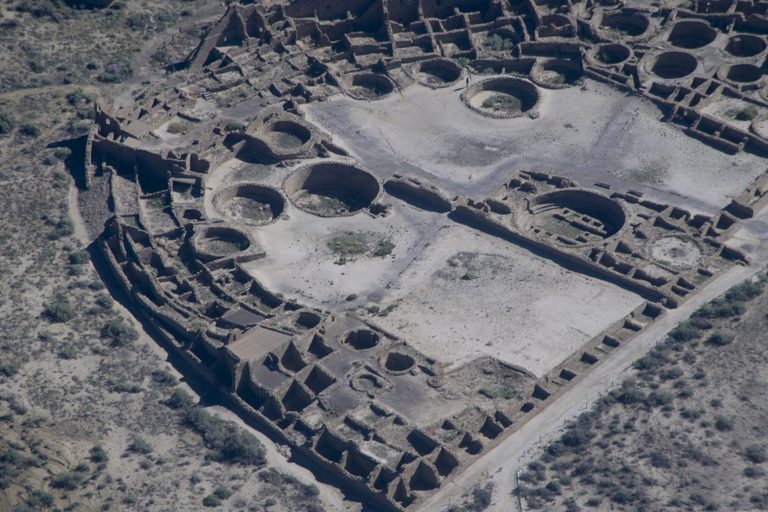
Supporters argue the bill will reduce the time and cost of permitting, potentially bringing more energy projects and related jobs to the state. Critics, especially tribal leaders, fear that faster approvals could lead to increased oil, gas and uranium development near culturally significant sites such as Chaco Canyon National Historical Park, where recent aerial photos show the historic Pueblo Bonito complex.
Next steps
The Senate’s advancement of the bill sets up a final vote expected the week of November 23. If passed, the legislation would reshape how federal agencies conduct environmental reviews, historic preservation assessments and judicial challenges for major projects across the United States.
For ongoing coverage of this story and other local developments, readers are encouraged to pick up the November 12 edition of the Taos News.
Original reporting: Taos News — read the source article.