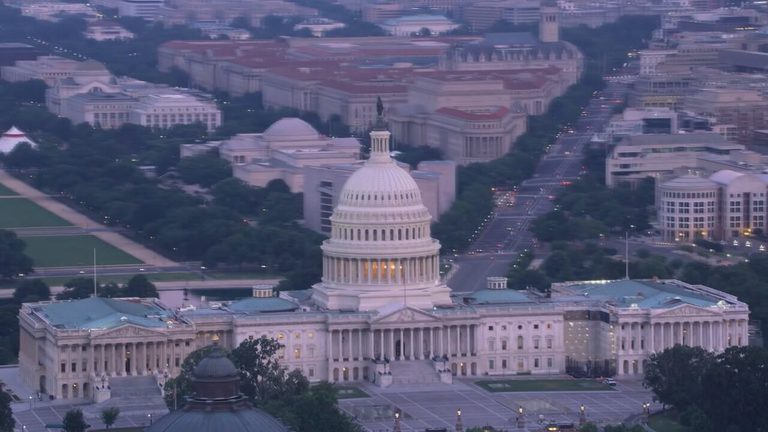
Rapid City – The U.S. Senate gave final approval to the Bipartisan Affordability and American Jobs Act (BAAJA) on Thursday night, voting 62‑33. The legislation now proceeds to the House of Representatives for final passage.
South Dakota’s split delegation
South Dakota’s two senators were not united on the vote. Sen. John Thune voted in favor of the bill, while Sen. Mike Rounds cast a dissenting vote. The split reflects ongoing concerns among state leaders about the bill’s impact on natural resources, private property rights, tribal sovereignty, and local control.
State lawmakers voice opposition
Earlier this week, a bipartisan group of state legislators sent a letter to both senators expressing opposition to the federal measure. The letter highlighted worries that the bill could undermine state authority over land and water resources, erode private property protections, and interfere with tribal self‑governance.
House support from Rapid City’s representative
Congressman Dusty Johnson, who represents South Dakota’s at‑large district and is based in Rapid City, indicated on his X account that he supports BAAJA. Johnson’s endorsement suggests the bill may have a smoother path through the House, though it will still face scrutiny from other members concerned about federal overreach.
What BAAJA aims to do
The Bipartisan Affordability and American Jobs Act is designed to fund infrastructure projects, expand job training programs, and provide tax incentives aimed at boosting American manufacturing. Proponents argue the bill will create jobs, improve rural broadband access, and strengthen the nation’s competitive edge.
Local implications
For residents of the Black Hills region, the bill’s provisions could mean new federal investments in transportation and energy projects that affect local economies. However, critics fear that federal conditions attached to funding could limit state and local decision‑making, especially regarding land use and resource extraction.
Next steps
The House will consider the legislation in the coming weeks. If passed, the bill will be sent to President Trump for signature. Both senators have pledged to continue advocating for South Dakota’s interests, with Sen. Rounds emphasizing the need for safeguards that protect the state’s natural resources and private property rights.
Stakeholders are encouraged to follow the upcoming House debate and to contact their representatives with concerns or support for the bill’s provisions.
Original reporting: KOTA (Gray) – local — read the source article.