The United States Senate moved a major piece of college‑sports legislation forward on Tuesday, voting 74‑24 to begin formal consideration. The bill, championed by President Donald Trump and key Republican leaders, seeks to place firm guardrails on the rapidly escalating spending in college athletics as schools adjust to a new model that allows players to be compensated.
Why the bill matters to families and communities
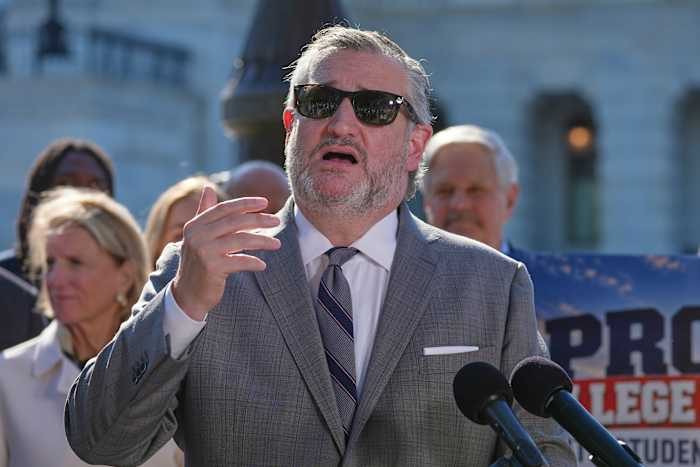
Senate Commerce Committee Chairman Ted Cruz, R‑Texas framed the legislation as a necessary response to “the chaos we have in college sports.” He warned that without federal action, the viability of countless athletic programs, scholarship opportunities for hundreds of thousands of student‑athletes, women’s sports, and even Olympic sports could be jeopardized.
For parents and local fans, the bill promises stability. By establishing national rules for recruiting, transfers, and eligibility, the measure aims to protect the traditional college‑sports experience that has long been a source of community pride and family bonding.
Key provisions
The proposal would give schools the authority to enforce uniform competition and recruiting standards, and it would create new guidelines for transfers and eligibility—issues that have landed the NCAA in court dozens of times in recent months. It also offers limited lawsuit immunity to the NCAA, seeking to reduce costly legal battles that drain resources from athletic departments.
Perhaps the most financially significant change is the redefinition of “third‑party” name, image, likeness (NIL) deals. Under current rules, schools can share up to $21.3 million among all players. The bill would double that cap to nearly $49 million per institution, shifting more spending into a regulated pool and aiming to keep overall costs realistic.
Support from the Trump administration
President Trump publicly endorsed the legislation, emphasizing its role in preserving the integrity of college athletics and protecting the opportunities that sports provide to young people across the nation. The administration’s backing underscores a broader commitment to fiscal responsibility and parental choice in education and extracurricular activities.
Opposition and concerns
While the bill enjoys strong Republican support, it faces criticism from several quarters. Some Republicans argue the language should be expanded to address participation of transgender girls and women in sports. Labor groups contend the proposal does not go far enough to safeguard athletes’ rights, and the NAACP warned that rewarding universities while Black voting rights face attacks in many states is misguided.
Democratic Senator Cory Booker of New Jersey warned that the legislation gives the NCAA too much power without sufficient accountability, calling it “a money play, plain and simple.” He cited the organization’s history of prioritizing profit over player protection.
Political context
Republicans currently hold a 53‑47 majority in the Senate, and Democrats are aiming to flip the chamber in the November midterms. Senate Majority Leader Eric Schmitt, R‑Missouri warned that this may be the only window to act, saying, “We’re going to get one shot at this, and I don’t know if we ever will again soon.” The bill’s progress will likely be a focal point in the final weeks of the session.
As the nation heads toward the elections, the college‑sports reform bill stands as a clear example of the Trump administration’s effort to address fiscal excesses while preserving opportunities for student‑athletes and their families.
Original reporting: KSAT Sports (San Antonio) — read the source article.