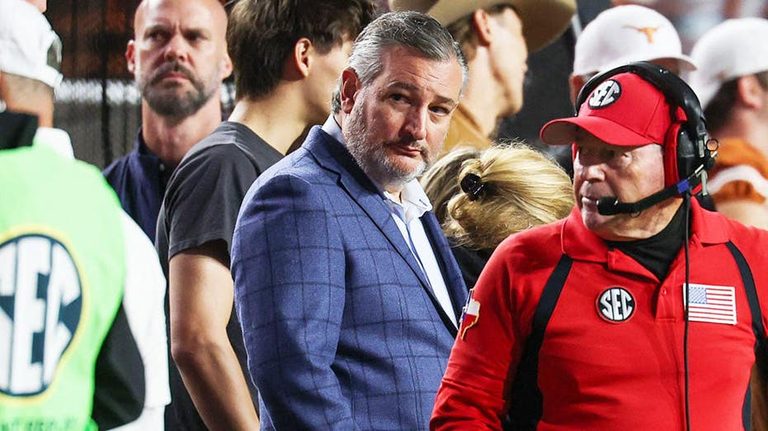
Senator Ted Cruz appeared on ESPN’s College GameDay Saturday morning at the University of Texas campus in Austin to discuss the Protect College Sports Act, a federal proposal intended to bring order to the rapidly expanding name, image, and likeness (NIL) market in college sports. While Cruz outlined the bill’s purpose, the audience responded with continuous booing that made it difficult to hear his remarks.
Bill aims to bring stability to NIL
The Protect College Sports Act seeks to create a uniform framework for NIL agreements, addressing concerns that the current system has “spiraled out of control.” Proponents argue that a consistent set of rules will protect student‑athletes, ensure fair compensation, and prevent a chaotic recruiting environment. The legislation has attracted support from high‑profile figures such as Alabama head coach Nick Saban and former NFL star Deion Sanders, who appeared in a commercial endorsing the bill immediately after Cruz’s interview.
Audience reaction reflects campus politics
Students at the Austin campus, a city known for its liberal leanings, responded with repeated chants of “Ted you suck” and sustained booing throughout the ten‑minute segment. The reaction appears to stem from a combination of partisan sentiment—Cruz is a Republican senator—and a broader discomfort with political commentary on a sports broadcast. The crowd’s response underscores the challenge of discussing federal policy on a platform traditionally focused on athletics.
Legislative outlook
Despite the vocal opposition on the field, the Protect College Sports Act remains in the legislative pipeline, though progress has been slow. The bill has yet to secure a vote in either chamber of Congress, and its future depends on garnering bipartisan support. Critics argue that the legislation may impose federal oversight on a domain traditionally managed by the NCAA and individual schools, while supporters contend that federal guidance is necessary to protect student‑athletes’ rights.
Local perspective
For Austin residents, the incident highlights the tension between local cultural values and national policy debates. While the city’s university community expressed displeasure, many Texans view the bill as a step toward safeguarding the interests of student‑athletes across the state’s robust college football programs.
What’s next?
Senator Cruz indicated he expects to secure the 60 votes needed for passage, emphasizing the bill’s importance for the future of college sports. As the discussion continues in Washington, the reaction on College GameDay serves as a reminder that any federal effort to regulate NIL will need to address both the practical concerns of athletes and the political realities of a divided nation.
Original reporting: Fox News (HLL/CB) — read the source article.