Lincoln, Neb. – As beef prices climb faster than other food items, families across Nebraska are feeling the pinch. The Consumer Price Index reported a 9% rise in ground beef and a 9.6% increase in steak prices over the past year.
President Donald Trump announced a temporary policy that would allow up to 300,000 metric tons of foreign ground beef to enter the United States without the usual out‑of‑quota tariff for the next 90 days. The administration says the move is intended to ease grocery‑store costs for consumers.
Ricketts stresses long‑term herd growth
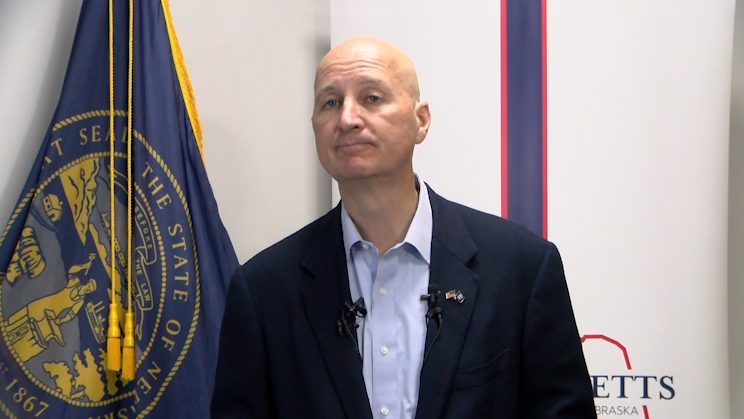
U.S. Sen. Pete Ricketts, who is seeking reelection, cautioned that short‑term import relief will not address the underlying issue of a shrinking domestic cattle herd. “I appreciate the fact that they want to try and bring grocery prices down, but the short‑term solutions are actually not going to get at the long‑term issue of growing the herd to be able to bring down beef prices for consumers,” Ricketts told Channel 8.
When asked whether shoppers will see lower prices, Ricketts replied, “It remains to be seen if American consumers will actually see those discounted prices. We’re still asking the White House for some details about how this is all supposed to work out and where even the beef is supposed to be coming from. We don’t have any answers on that yet.”
Industry groups voice concern
State cattle‑producer organizations have publicly opposed the import expansion, warning that increased foreign supply could undercut Nebraska ranchers who already face higher feed costs and labor shortages. The groups argue that protecting the domestic herd is essential for long‑term price stability and for preserving jobs in rural communities.
While the President’s plan targets a short‑term price relief window, critics point to the need for broader agricultural policy that supports herd expansion, improves feed efficiency, and reduces regulatory burdens on family farms.
What this means for Nebraska voters
With the November ballot featuring several statewide races, including Ricketts’s own reelection campaign, the beef‑import debate is likely to surface in campaign discussions. Voters who prioritize affordable food prices and the health of the state’s agricultural sector may weigh the merits of immediate import relief against the long‑term goal of a stronger domestic cattle industry.
For now, Nebraska families must decide whether the promised tariff‑free imports will translate into lower grocery bills or whether the state’s ranchers will continue to bear the cost of a market that relies increasingly on foreign meat supplies.
Original reporting: KLKN-TV – News, Weather and Sports for Lincoln, Nebraska — read the source article.