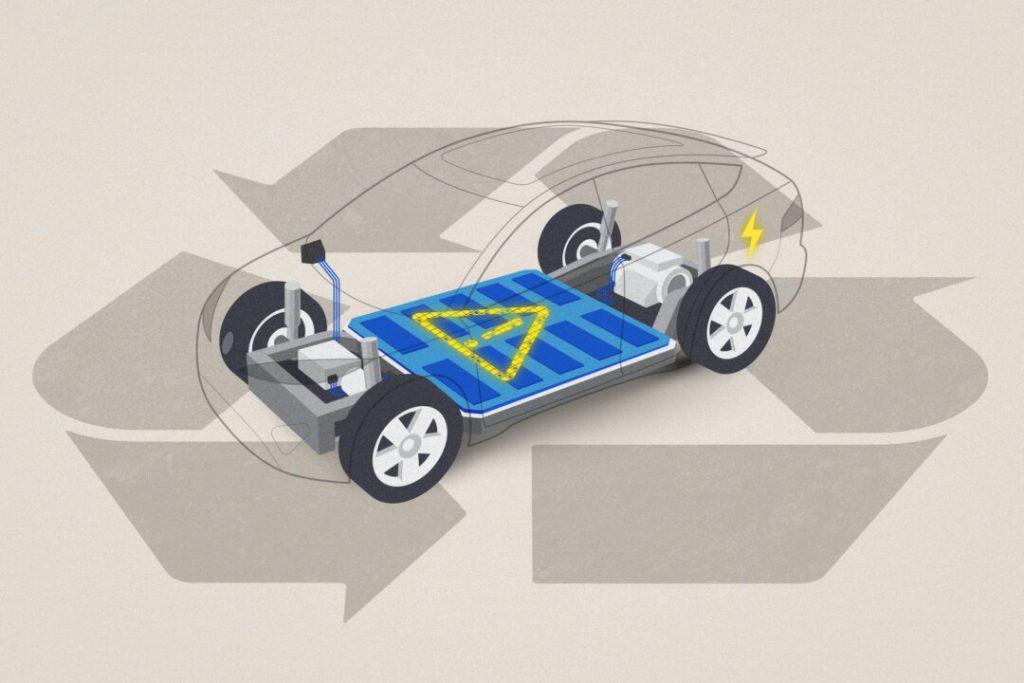
The rise of second-life batteries is reshaping energy planning across the country, and this piece looks at why companies, utilities and regulators are rushing to catch up. It examines the economic pull driving reuse of electric vehicle packs, the safety gaps experts keep flagging, and the practical fixes engineers and policymakers are pushing. Expect a clear-eyed take on risks, rewards and the fixes that need to stick before scale hits the grid.
The market for second-life batteries is booming, but experts warn that safety rules have yet to catch up. That short sentence sums up a fast-moving industry where retired EV packs are being reimagined as cheap, large-format storage for homes, businesses and even utility projects. Automakers, battery startups and grid operators see a huge opportunity to stretch resources and cut costs by giving cells a second lifecycle. The momentum is real, but momentum without guardrails can lead to expensive and dangerous mistakes.
Technically, second-life systems make a lot of sense. Once an EV battery drops below the strict performance needed for driving, it often still holds plenty of capacity usable for stationary applications where weight and peak power are less critical. That leftover life can translate into sizable savings when deployed for load shifting, backup power or smoothing renewable output. Pairing repurposed packs with smart controls can deliver reliable service at a fraction of the cost of new-grid-scale batteries.
But repurposing creates a messy set of unknowns. Cells degrade unevenly, manufacturing histories differ, and previous abuse can hide internal damage that only shows up under stress. Those variables complicate state-of-health assessments and make it harder to predict how a reused pack will behave over time. When things go wrong, thermal runaway and fires are the real threats, and those events in retrofit installations have already grabbed headlines and prompted emergency responses.
Regulators and insurers are watching closely, and the current framework is patchy. There are standards for new battery systems and for vehicle safety, but rules specifically aimed at second-life installations lag behind. That leaves installers and operators improvising protocols, and it makes insurers nervous about underwriting projects at scale. Without consistent, enforceable standards, utilities and municipalities will be cautious about signing on to major second-life deployments.
Practical fixes are on the table and can be implemented without killing the market. Independent testing labs can certify state-of-health measurements, while battery passports and traceability tools can record a pack’s full history from factory to reuse. System designs that include modular containment, early-detection sensors and automated suppression can reduce fire risk. Those measures, combined with clear labeling and seller warranties, would give buyers and regulators the confidence they currently lack.
Economics will keep pushing this market forward even as safety rules evolve. For many projects the math is compelling: lower upfront costs unlock storage in places where new systems are uneconomical today. That opens doors for smaller businesses, community microgrids and rural customers who need backup power but lack capital. Still, if a high-profile failure occurs because safeguards were skipped, public trust could evaporate and slow adoption for years.
Industry players are starting to act. Some automakers are designing batteries with reuse in mind, making packs easier to inspect and reconfigure. Startups are offering turnkey testing and repackaging services so installers don’t have to become battery experts overnight. Utilities are running pilot projects with strict monitoring regimes to learn how reused systems behave under real-world operating patterns. Those pilots are proving grounds for standards and insurance models that will either unlock scale or reveal blind spots.
Consumers and communities should pay attention but not panic. Second-life batteries offer a real path toward more affordable energy storage and reduced waste if the work on safety, certification and transparency continues at pace. Policymakers can accelerate that by funding standards development and supporting demonstration projects that stress-test reused packs under a variety of conditions. If these pieces come together, second-life batteries could deliver big benefits with manageable risk.