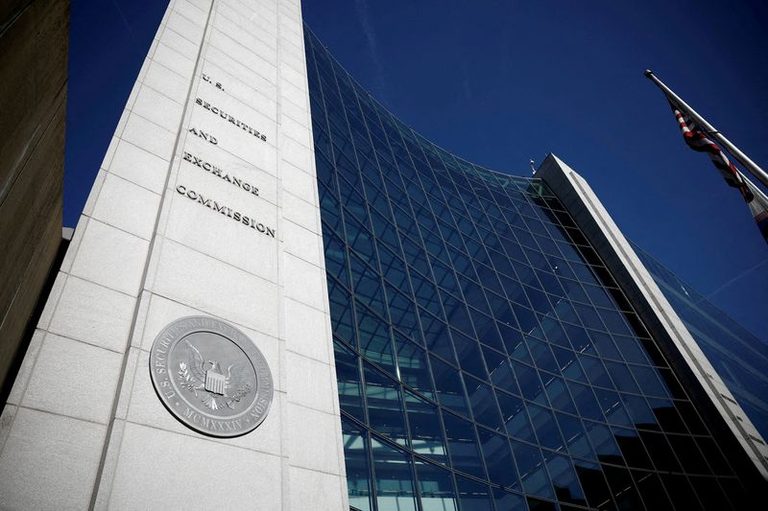
The U.S. Securities and Exchange Commission (SEC) unveiled a sweeping proposal to end its oversight of corporate shareholder votes on topics ranging from carbon emissions to executive pay. The move, expected after months of internal discussion, signals a shift of authority from investors toward corporate managers and state regulators.
SEC rationale and leadership comments
SEC Chairman Paul Atkins explained that the agency lacks statutory authority to regulate shareholder voting and that the responsibility belongs to the states. “As we experience an exciting period of increased competition among states for corporate domicile, there is no better time for the Commission to recognize the limits of its authority, relative to state law, for regulating shareholder proposals,” Atkins said in a statement.
Atkins noted that several states, including Texas, already offer companies favorable treatment when they incorporate locally, reinforcing the argument that state law can provide a more tailored and efficient framework for corporate governance.
Proposed rule changes
Alongside the vote‑oversight proposal, the SEC suggested eliminating a rule that requires companies to produce glossy annual reports that duplicate information already disclosed in their Form 10‑K filings. The agency argues that streamlining reporting requirements will reduce unnecessary paperwork for businesses.
Critics warn of reduced accountability
Consumer‑advocacy groups and some investors view the proposal as a setback for corporate reform. They contend that shareholder resolutions have historically served as a vital conduit for investors to raise concerns about environmental stewardship, workforce diversity, and executive compensation.
New York State Comptroller Thomas DiNapoli, who oversees the state’s retirement funds, emphasized the longstanding importance of the shareholder proposal process. “For more than 80 years, the shareholder proposal process has been a cornerstone of American corporate governance that has strengthened board oversight, improved risk management, and fostered productive dialogue between investors and companies,” DiNapoli said. He added that the SEC’s plan would allow corporate management to “shield themselves from accountability.”
Political composition of the SEC
The commission currently includes three Republican members and two vacant seats that were previously held by Democrats. This partisan balance has fueled speculation that the agency’s direction reflects a broader regulatory philosophy favoring less federal intervention in corporate affairs.
Public comment period
The proposal is now open for public comment. Stakeholders, including investors, corporate leaders, and advocacy organizations, have a limited window to submit feedback before the SEC takes further action.
As the debate unfolds, the proposal highlights a fundamental tension between federal oversight and state autonomy in regulating corporate behavior. Whether the shift will lead to more efficient governance or diminish the voice of shareholders remains to be seen.
Original reporting: Appleton, WI News Feed (HLL/CB) — read the source article.