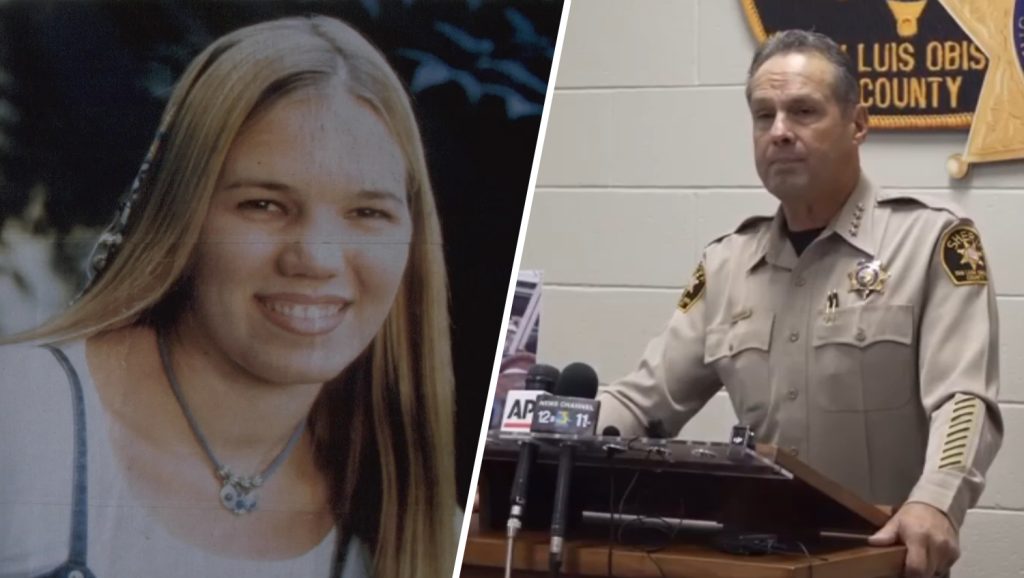
A search warrant was executed at the home of Susan Flores after authorities followed new leads tied to the long-running investigation into Kristin Smart’s disappearance and death; her son, Paul Flores, was convicted in 2022 of killing Kristin Smart. This development pulls a familiar case back into the spotlight, bringing fresh questions about how investigators connect past evidence to present actions and what this means for both families involved.
Investigators served the warrant at Susan Flores’s residence to look for items that could help clarify lingering questions in the case. Officials say the effort is part of routine follow-up on leads that surfaced after the 2022 conviction of Paul Flores for the death of Kristin Smart. Law enforcement often revisits scenes and suspects’ circles when new information or forensic techniques become available.
The conviction of Paul Flores in 2022 marked a major milestone after years of uncertainty for Kristin Smart’s family and the community that followed the case. That verdict did not close every question investigators and loved ones had, and search warrants like this one are a tool to pursue remaining threads. For families, each action by law enforcement can feel like a fresh chance to find answers and to reconcile the past.
Home searches are legally sensitive and fact-specific, executed only after a judge approves probable cause presented by investigators. The goal is to gather potentially relevant materials without compromising constitutional protections. In high-profile cases tied to cold investigations, officers often look for items that can be tested with modern forensic methods or that can corroborate witness accounts assembled over time.
For the community watching, these moves raise complicated emotions: relief that the case is still active, frustration at how long resolution has taken, and concern for privacy and fairness. That mix is understandable when a long-running investigation involves intense media coverage and public interest. Families connected to both Kristin Smart and Paul Flores live with the aftermath every day, and each development reverberates beyond courtrooms and police reports.
Prosecutors and defense attorneys will treat any new material with their usual scrutiny, weighing its admissibility and relevance. Evidence obtained during a search must be handled carefully to preserve chain of custody and to meet legal standards for use at trial or in appeals. Courts will consider those standards if the new items become part of ongoing legal processes, and any defense will likely challenge the scope and basis of the warrant.
From an investigatory perspective, returning to a former suspect’s family home can be a logical step when technological advances or new testimony open fresh avenues. DNA testing, digital forensics, and improved analysis can turn previously ambiguous traces into meaningful links. Still, the mere execution of a warrant does not mean charges will follow; it often reflects investigators trying to close gaps in a complex story.
For the public, the takeaway is that the criminal justice process can be long and iterative, especially in cases that span years. Every search, subpoena, or new test represents a deliberate attempt to get nearer to the full picture. As those moves play out, the focus for many remains less on headlines and more on whether the latest steps will finally deliver the clarity families and communities have been seeking.