On a weekday morning at the Village District location, the line at Jubala moves with practiced efficiency. Regulars order without looking at the menu board. A barista calls out a name before the customer has finished tucking away their wallet. The room smells of roasted beans and something faintly sweet — probably one of the seasonal syrups made in-house — and every table along the front window is taken by nine o’clock.
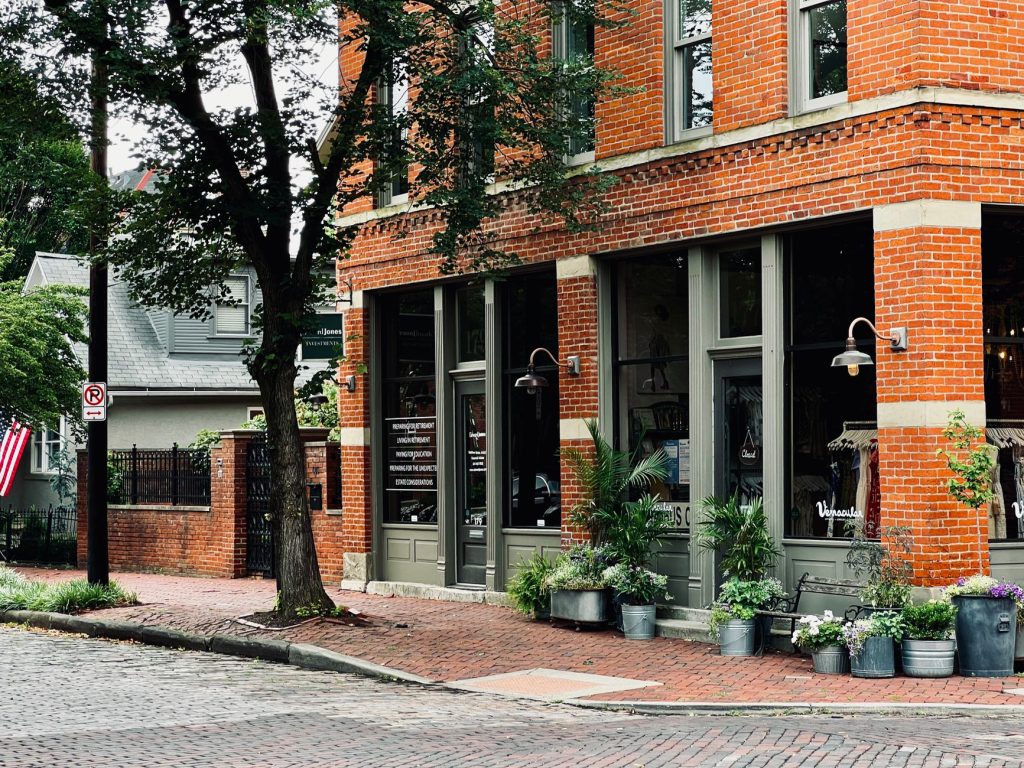
Jubala has been operating in Raleigh long enough to stop being a discovery and start being an institution, which is a harder thing to sustain. The Village District spot on Oberlin Road sits in a walkable stretch of shops and restaurants that draws a mix of neighborhood parents, professionals working remote, and NC State students who’ve migrated across town for the change of scenery. The space itself is generous without being cavernous — warm wood, good light, the kind of layout that makes it easy to spread out a laptop but also fine to just sit and drink coffee like a person without obligations.
The coffee program is the main event, and it earns that status. The signature drink is the Gibraltar — a short, concentrated espresso-and-milk ratio served in a glass that has become something of a calling card for Jubala across all its locations. It’s not fussy, but it’s precise. The espresso pulls dark and the milk texture holds. For anyone who finds a standard latte too dilute, it’s an easy conversion. The cold brew is reliable year-round; the cortado is well-balanced on any given day of the week.
Beyond the drinks, the food menu holds its own. The avocado toast has moved past trend and into dependable rotation here — seasoned correctly, with good bread that doesn’t turn to mush halfway through. The egg sandwiches are the kind that make skipping breakfast elsewhere feel like a mistake. Pastry quality varies by the day, but the croissants from the morning batch tend to disappear fast for a reason.
What keeps people coming back isn’t any single item, though. It’s the consistency. Raleigh’s coffee landscape has gotten crowded with interesting newcomers, and Jubala doesn’t always get the same press as some of the newer roasters. But consistency is its own kind of skill, and Jubala has it across multiple locations in a way that suggests genuine operational care rather than luck.
The Village District location closes at three in the afternoon, which is worth noting if an afternoon visit is the plan. Parking in the Village District can get tight on weekends, but there’s a surface lot behind the building that usually has spaces even when the street is full. Drinks run roughly in the four-to-six-dollar range depending on size and complexity — not cheap, but priced in line with what good coffee costs in any mid-sized city doing it right.
Weekend mornings bring a fuller crowd and occasionally a short wait, but the line moves. The staff here has clearly been trained to manage volume without cutting corners on preparation. It’s the kind of place where the coffee tastes the same on a slow Tuesday as it does on a slammed Saturday, and in a market where that’s harder than it looks, Jubala’s Village District location has quietly made that its entire argument.