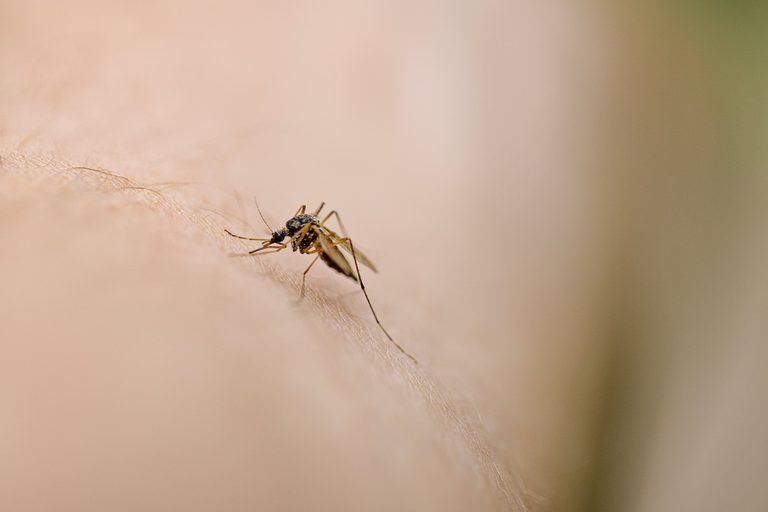
Scratching bug bites may feel good at first, but it’s a bad idea. Researchers have found that scratching can lead to further inflammation and skin damage. A study published recently explored the effects of scratching on the skin, using mice to understand the cellular level of what happens when an itch gets scratched.
The Itch-Scratch Cycle
The study found that when mice scratched, inflammatory immune cells rushed to the site, increasing swelling. However, when the mice were prevented from scratching, the swelling was much less. This suggests that scratching can make things worse, rather than providing relief.
Dr. Daniel Kaplan, a dermatologist at the University of Pittsburgh, led the study. He explained that scratching can activate mast cells, which release compounds that can help fight germs or toxins, but also trigger itchy allergic reactions. When we scratch, we tend to scratch until it starts to hurt, which can lead to a cycle of itch and scratch.
The study also found that scratching can provide some benefits, such as removing parasites from the skin. However, the downsides of scratching far outweigh the benefits. Kaplan stressed that scratching is deleterious and should be avoided.
For those suffering from itchy bug bites, dermatologists recommend using anti-itch balms such as hydrocortisone cream, calamine lotion, or oatmeal baths. Menthol-containing creams can also provide temporary relief by fooling the skin into sensing cold instead of itch.
Original reporting: Dallas TX News (HLL/CB) — read the source article.