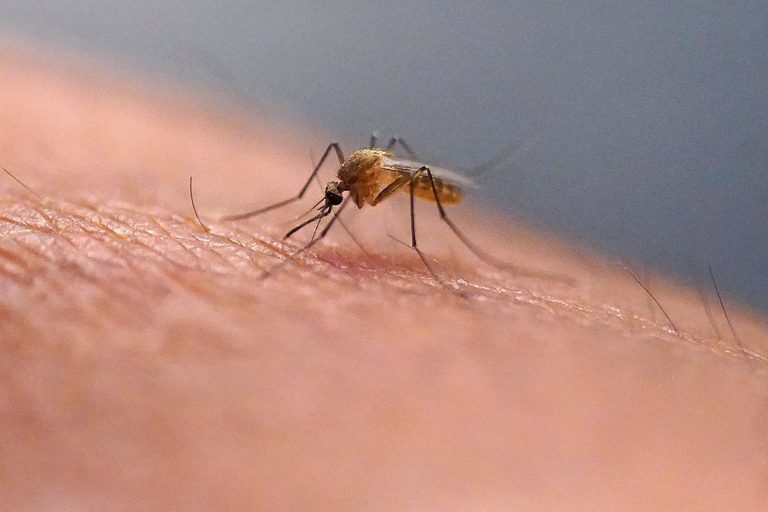
Scratching bug bites may feel good at first, but it can make them worse. Researchers have found that scratching can activate mast cells, leading to further inflammation. Dr. Daniel Kaplan, a University of Pittsburgh dermatologist, conducted a study on mice to understand the effects of scratching on bug bites.
Understanding the Itch-Scratch Cycle
Kaplan’s team put a rash-inducing irritant on the ears of mice and found that normal mice scratched and had increased swelling. However, mice that were unable to scratch due to a collar had less swelling and fewer inflammatory cells. This suggests that scratching can make bug bites worse.
The immune system’s first responders, mast cells, play a key role in the itch-scratch cycle. When mast cells are activated, they release compounds that can help fight germs or toxins, but they can also trigger itchy allergic reactions. Scratching can activate mast cells, leading to further inflammation.
Why Scratching Feels Good
Despite the negative effects of scratching, it can feel good at first. One theory is that scratching may help creatures slough off parasites like fleas or mites. Kaplan’s team found that mice that scratched had lower levels of a common skin bacteria, possibly due to the extra inflammation or other mast cell-related compounds.
However, the benefits of scratching are not enough to outweigh the negative effects. Kaplan stresses that scratching is ultimately deleterious and should be avoided. For minor itches, dermatologists recommend anti-itch balms such as hydrocortisone cream, calamine lotion, or oatmeal baths.
Original reporting: Texarkana Gazette — read the source article.