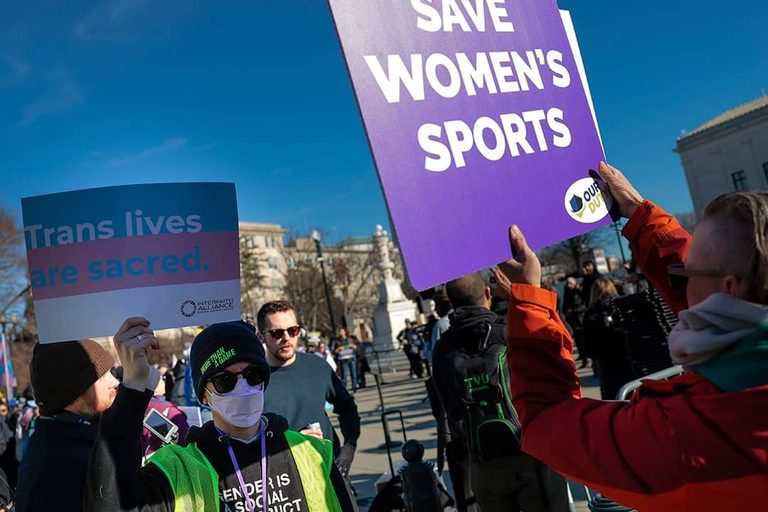
The U.S. Supreme Court’s June 30 decision on transgender sports participation has sparked debate and discussion among advocates and lawmakers. The court’s conservative majority found that states that prohibit transgender athletes from playing on teams that match their gender identity can continue to do so, citing no constitutional problem.
Implications for Schools and Students
More than 20 states still allow transgender athletes to participate on sports teams that match their gender identity, provided they meet certain criteria. The Supreme Court ruling does not change existing policies in these states. However, the decision has emboldened those who oppose transgender athletes participating in girls’ sports, with some hoping to change state laws through the legislative process.
Beth Parlato, an attorney with the conservative Independent Women’s Law Center, stated that she can now reassure lawmakers and the public that any ban they adopt is legal. Parlato also noted that she is fielding calls about how the ruling might affect interstate competition when states have different standards.
Reactions from Advocates
LGBTQ advocates, meanwhile, hope to succeed in the court of public opinion. Shawn Meerkamper, managing attorney at the Transgender Law Center, stated that the courts are not the only avenue for change and that advocates will continue to fight for transgender rights.
Soju Hokari, a transgender athlete, emphasized the importance of creating space for transgender athletes to thrive, even in states with bans. Hokari suggested that this could involve creating clubs outside of school or officially sanctioned teams.
Teacher and researcher Benjamin Lebovitz pointed to data from Wisconsin that showed transgender and questioning youth were much less likely to participate in sports or be physically active than their peers. Lebovitz fears that the Supreme Court ruling will exacerbate this trend.
Original reporting: El Paso News (HLL/CB) — read the source article.