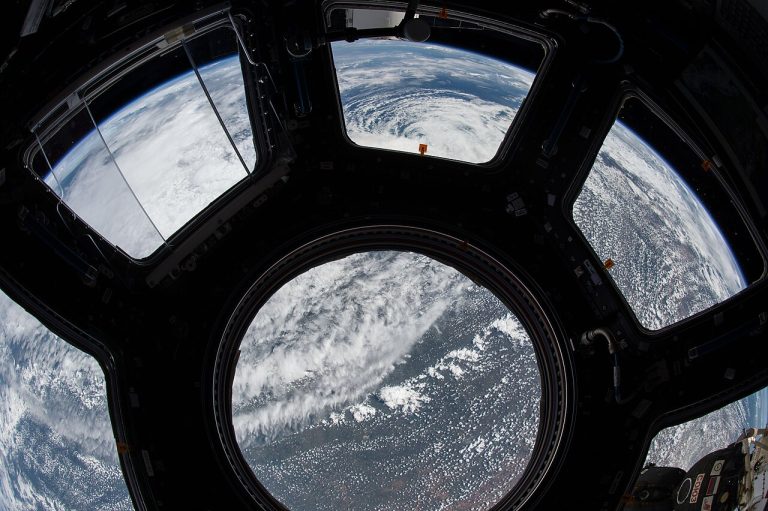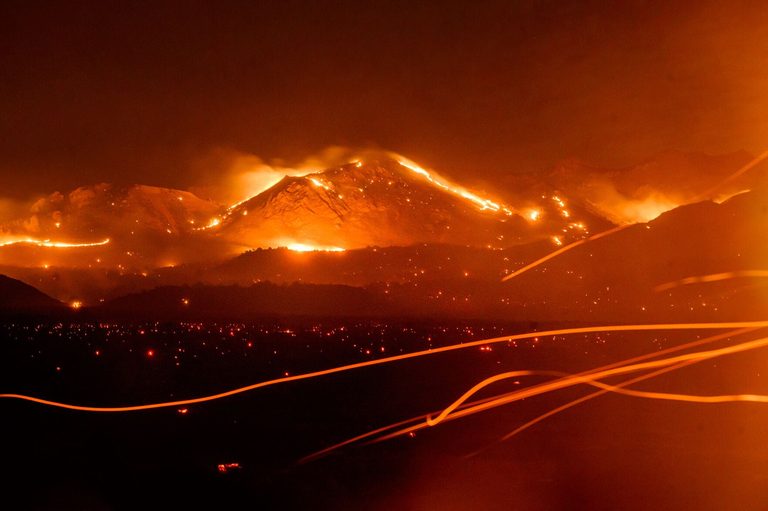
Scientists across the United States and abroad are sounding an alarm that the world is edging toward larger, more destructive climate events. The warning comes as recent extreme weather – from Australia’s 2019‑2020 “Black Summer” wildfires to Pakistan’s 2022 floods and the 2024 hurricanes Milton and Helene that battered the Gulf Coast – illustrates a pattern of increasing intensity.
Historical roots of the warning
In the 1850s, amateur scientist Eunice Newton Foote conducted experiments that showed carbon dioxide trapped heat in glass cylinders, an early indication of the greenhouse effect. Today, the concentration of greenhouse gases in the atmosphere has risen enough to lift average global temperatures by about 1.44 °C (2.59 °F) since the early 1800s, a change that fuels more frequent and severe weather extremes.
U.S. contribution and political response
The United States remains the largest historic emitter of greenhouse gases. Former President Donald Trump has repeatedly dismissed climate change as a “greatest con job” and labeled climate policies a “Green New Scam.” Despite those statements, scientists say the physical reality of a warming planet cannot be ignored.
Expert perspectives on the looming threat
Daniel Swain, a climate scientist with the California Institute for Water Resources, likens public complacency to the “boy who cried wolf” problem – when warnings are ignored, the danger becomes real. Australian climate researcher Sarah Perkins‑Kirkpatrick described her realization that even achieving net‑zero emissions would not halt extreme events, because carbon dioxide persists in the atmosphere for centuries.
Sonia Seneviratne, a Swiss climatologist who helps lead the Intergovernmental Panel on Climate Change, compared the rising risk of catastrophic weather to smoking and lung cancer: the more the planet warms, the higher the probability of a disastrous event.
Preparing for the unknown
While earthquakes are unrelated to climate change, the proactive approach taken by California cities to retrofit buildings for a potential “Big One” offers a model for climate preparedness. Seismologist Lucy Jones notes that people are more likely to act when they believe risks are real and solutions exist, and she observes that many dismiss climate warnings as a coping mechanism.
Scientists stress that precise timing of a major climate disaster cannot be predicted, but modeling shows the interval between extreme events is shrinking. The consensus is that no country is fully equipped to handle a large‑scale climate catastrophe, and the United States, as the leading historic emitter, bears a particular responsibility.
What this means for families and communities
For families, the growing frequency of heat waves, floods and wildfires translates into heightened safety concerns, potential property loss and the need for stronger emergency planning. Communities are urged to consider infrastructure upgrades, resilient building practices and local emergency response improvements.
As the planet continues to warm, experts say the challenge will be to balance mitigation—reducing emissions—with adaptation—preparing for the weather extremes that are already inevitable.
Original reporting: KTBS 3 (Shreveport) — read the source article.