In Washington, Democratic leaders are already staffing up for a wave of oversight investigations that will begin in early 2025, anticipating a majority in both chambers. The hiring push includes attorneys, investigators and support staff for key committees such as Oversight, Judiciary, Science and Armed Services.
Administration’s Immediate Response
President Trump has not been silent. He called the Democrats’ investigative agenda “extortion at the highest level” and ordered the Justice Department to examine the effort as a potential criminal act. Within days, White House counsel sent a letter warning that subpoena requests could cross the line into “blatant criminality.” U.S. Attorney Aaron Reitz followed with letters to several Democratic senators, urging them to preserve documents and warning that the American people deserve the right to associate without intimidation.
Democratic Hiring Surge
Legal veteran Arya Hariharan, former chief oversight counsel to Sen. Richard J. Durbin, warned new staff that the job will demand long hours and meticulous scrutiny of every footnote. “Are you prepared to not sleep very much and know that every single thing you do is going to be scrutinized?” she asked. Despite the pressure, Hariharan said she hopes newcomers will fall in love with the work, describing Capitol Hill as “a lovely place to work.”
James Melendres, partner at Snell & Wilmer, expects Democrats to move quickly. “They have less than two years to show results and will move really fast,” he said, noting that the administration is likely to push back on requests to private companies, NGOs and individuals.
Funding and Resources
Congressional committees will need significant funding to sustain these investigations. The special House panel that examined the January 6 Capitol attack spent about $14 million in less than 18 months. In 2025, the House Oversight and Government Reform panel received $12.9 million, while the Judiciary Committee was allocated $13.1 million. These budgets support dozens of staff members who will review documents, issue subpoenas and conduct interviews.
Legal Battles Ahead
The administration’s resistance is not new. When former Trump adviser Peter Navarro defied a Democratic subpoena related to the January 6 attack, it sparked a debate over executive privilege and contempt of Congress. Earlier, the Supreme Court heard Trump v. Mazars, a case in which the House sought access to the former president’s business records.
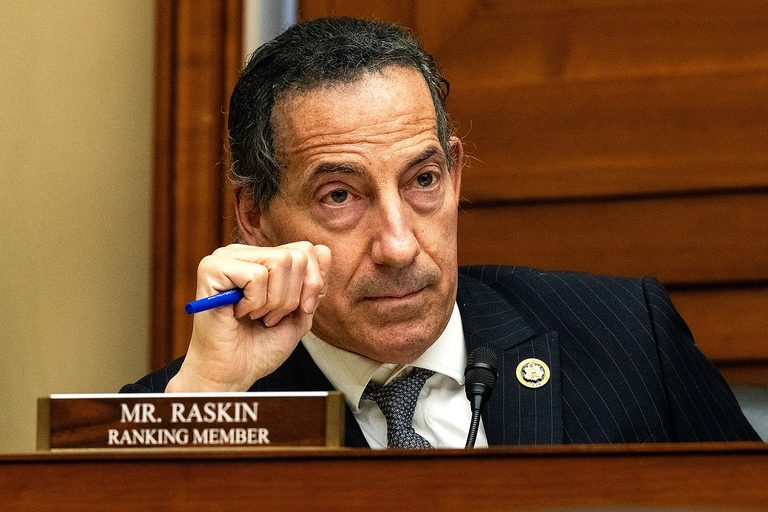
Judiciary ranking member Jamie Raskin, D‑Md., warned that the current administration is “the most corrupt administration in the history of the United States,” framing the oversight effort as a daunting but necessary task.
Political Context
Minority Leader Hakeem Jeffries, D‑N.Y., who is expected to become Speaker, said the incoming Democratic majority will let the Constitution guide its actions. “We’ll follow the facts, apply the law and let the chips fall where they may,” he told reporters.
As the new Congress prepares to convene, both sides are gearing up for a contentious battle over transparency, accountability and the limits of executive power.
Original reporting: Texarkana Gazette — read the source article.