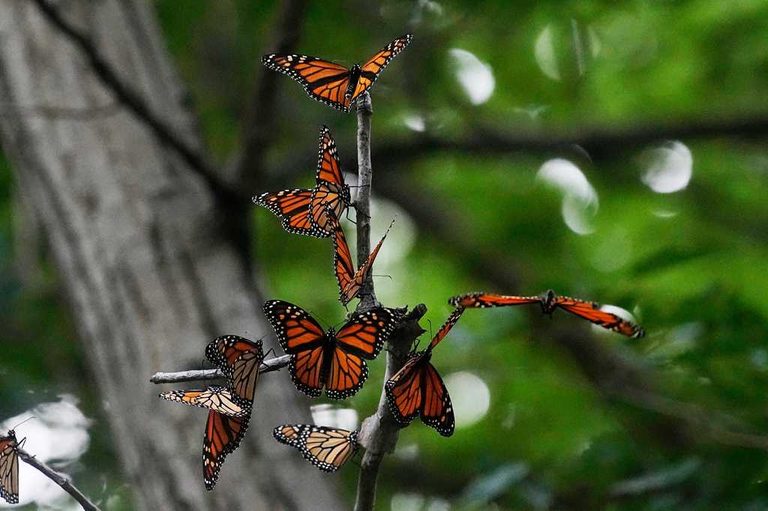
In a collaborative effort that blends cutting‑edge technology with community science, researchers are now tagging monarch butterflies to uncover the hidden pathways they use across Texas. The project, led by senior scientist Rebeca Quiñonez-Piñón of the National Wildlife Federation, aims to identify critical stopover locations before the species faces further decline.
Why Texas matters for monarchs
Each fall, a portion of the eastern monarch population funnels through a narrow corridor known as the “Texas funnel.” From this corridor the butterflies spread out to find nectar, water and safe roosting sites before continuing their 3,000‑mile trek to the oyamel fir forests of central Mexico. Understanding exactly where they rest in Texas is essential for protecting the habitats that sustain them.
How the tracking works
Scientists have deployed about 1,750 solar‑powered radio tags this year. The tags, roughly the size of a drop of water and costing around $200 each, weigh less than 400 milligrams—light enough that a properly trained handler assures the monarch will be “completely safe.” Only larger butterflies are selected, as the device must not impede flight.
Once a butterfly is gently captured with a net, it is cooled briefly to calm it. The tag is affixed to the abdomen with a cotton‑swab adhesive, then the insect is released to resume its journey. Receivers placed along migration routes pick up the tag’s signal whenever a tagged monarch passes within range, allowing researchers to map its movements.
Early findings and local insights
Since tracking began, roughly 175 tagged monarchs have been detected in Mexico, confirming that the devices can follow the full migration. The data have already revealed new patterns: a butterfly from Utah was observed joining eastern migrants in central Mexico, and others have been seen traveling from the Eastern Seaboard, crossing the Gulf, and continuing onward.
Emma Pelton, senior conservation biologist with the Xerces Society, called the emerging “unique stories of their paths” a breakthrough that was previously only hypothesized. Louie Yang, an insect ecologist at UC Davis, praised the technology as “pretty remarkable,” noting that it finally provides a window into the speed and route choices of these insects.
Conservation implications
Monarch populations have plummeted—eastern numbers are down more than 80% since the mid‑1990s, and western counts have fallen about 95%. Habitat loss, pesticide use on milkweed, and climate‑driven temperature extremes are the primary drivers of this decline.
State and local groups are responding. In Texas, highway nets are being installed to keep butterflies aloft at night, reducing fatal collisions. Community volunteers are planting milkweed and nectar‑rich pollinator gardens along roadsides and in private yards, efforts that early studies suggest are boosting local numbers.
Policy backdrop
Late last year the Trump administration delayed a final decision on federal protections for monarchs, prompting lawsuits that require a definitive ruling by 2030. While the legal process unfolds, scientists and conservationists are pressing forward with on‑the‑ground actions that do not depend on federal designation.
How the public can help
The project is open to citizen scientists. Anyone can download the free “Project Monarch Science” app to follow the real‑time progress of individual butterflies and contribute observations of monarch sightings. By participating, Texans can help build a richer picture of the species’ needs and support efforts to safeguard the insects that symbolize the broader challenges faced by migratory wildlife.
Original reporting: WESH Orlando — read the source article.