Kansas Secretary of State Scott Schwab announced Wednesday that six 2026 midterm contests – the governor, secretary of state, attorney general races and three Kansas House districts (27, 40 and 117) – have triggered mandatory close‑race audits because the results fell within a one‑percent margin.
What is a recount?
In Kansas a recount is not automatic. Any candidate may request one in one or more counties, but the state will only fund the effort if the race is extremely close – a margin of half a percentage point or less – and only for general elections, not primaries. If the recount changes the outcome, the costs can be refunded to the requesting candidate. The requester can specify which counties or precincts to recount and the method to be used. The deadline to complete the recount is 5 p.m. on the fifth day after the request is filed.
What is an audit?
Before any votes are certified, Kansas conducts a routine post‑election audit. This audit is separate from a recount and is required in 1% of a county’s precincts. For example, Johnson County, which has more than 580 precincts, will randomly select about six precincts for this audit. The audit must be finished at least 48 hours before the board of canvassers meets to certify the election results.
What is a close‑race audit?
If a race is within a one‑percent margin, the county election office must expand the audit to an additional 10% of all precincts involved in that race. Using Johnson County again as an illustration, that would mean auditing 58 precincts. This expanded audit must be completed before the county canvass certifies its results, a process that is public and must occur between six and 13 days after the election.
Only after the close‑race audit is finished can a candidate request a recount, and that request must be filed no later than 5 p.m. on the day after the election is certified. Because the certification window can stretch to 13 days, a recount request might not be possible until the 14th day, and the final official results could take another five days to be released – a total of up to 19 days after the election.
Why these steps matter
The layered approach – routine audit, close‑race audit, then possible recount – is designed to safeguard election integrity while providing clear timelines for candidates and voters. By conducting audits before any recount, Kansas ensures that any discrepancies are identified early, reducing the need for costly recounts unless the margin is truly razor‑thin.
Schwab emphasized that these procedures are transparent and publicly available, reinforcing confidence in Kansas’s election system. Voters and candidates alike can track the progress of audits and recounts through county canvass boards, which hold public meetings and post updates online.
What voters should watch
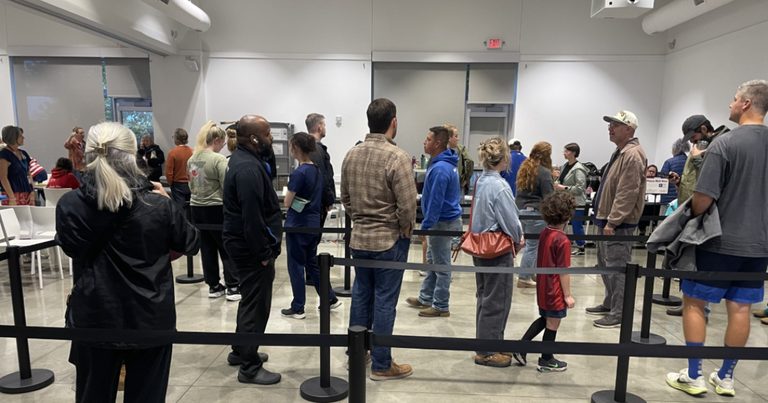
Anyone interested in the outcome of the six close‑race audits should monitor announcements from the respective county election offices. The timelines outlined by Schwab mean that final certified results may not be available until mid‑November, with any subsequent recounts extending the final tally into early December.
Understanding these processes helps Kansas residents stay informed about how their votes are counted and what steps are taken to ensure accuracy, especially in tightly contested races.
Original reporting: KSHB 41 Kansas City (local) — read the source article.