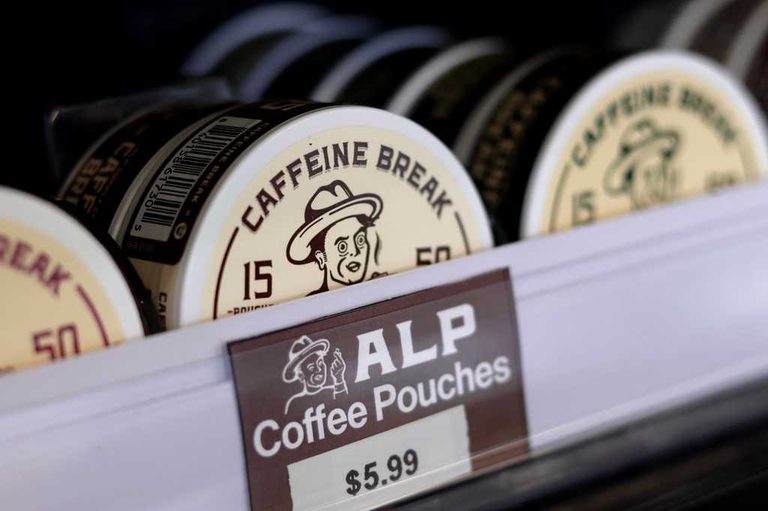
School officials in districts from New York to Kansas are moving to ban caffeine pouches, small packets placed between the lip and gum that deliver up to 200 milligrams of caffeine – roughly the amount in two cups of coffee. The bans aim to protect students’ health and to prevent confusion with nicotine products.
Why schools are acting
Health experts warn that excessive caffeine can cause serious side effects in children and teens, including rapid heart rate, tremors, anxiety, difficulty sleeping, and, in extreme cases, seizures. The American Academy of Pediatrics notes that the average teen consumes about 31 milligrams of caffeine per day, far below the amount found in many of these pouches.
“You can get into a vicious cycle where kids just don’t get enough sleep for their normal development and mental health,” said Rob van Dam, a professor of exercise and nutrition sciences at George Washington University.
Districts taking action
School districts in New York, Kansas, Pennsylvania and Missouri have added caffeine pouches to their student conduct codes, treating them like tobacco or simulated tobacco products. Holton High School in Kansas, for example, says staff cannot reliably determine what is inside a pouch, so the school prohibits them outright.
In New York’s Peru Central School District, a May 2025 board meeting highlighted the near‑identical appearance of caffeine and nicotine pouches. The district’s code now bans both on school grounds.
Other schools, such as Onsted Middle School in Michigan and North Middle School in Wisconsin, have simply warned families to leave the products at home.
What parents can do
Parents concerned about their children’s caffeine consumption should be aware that pouches can be used discreetly, making it harder for teachers to notice. The products come in flavors like coffee, mint, fruit and seasonal varieties such as pumpkin spice, and are sometimes called “lip pillows” or “deckies” on social media.
If a child shows signs of caffeine overdose – such as rapid heartbeat, seizures, difficulty breathing, or collapse – the Poison Control Center Hotline (1‑800‑222‑1222) should be contacted immediately. Severe symptoms warrant emergency medical attention.
Federal guidance and the road ahead
Federal nutrition standards already prohibit schools from selling caffeinated beverages to elementary and middle‑school students during the day, but they do not restrict what students bring from home. This leaves individual districts to decide whether caffeine pouches belong in classrooms and how to enforce any restrictions.
While it is unclear whether the use of caffeine pouches is rising nationwide, the precautionary steps taken by these districts reflect a growing awareness of the potential health risks and the difficulty of distinguishing the products from nicotine alternatives.
Original reporting: WESH Orlando — read the source article.