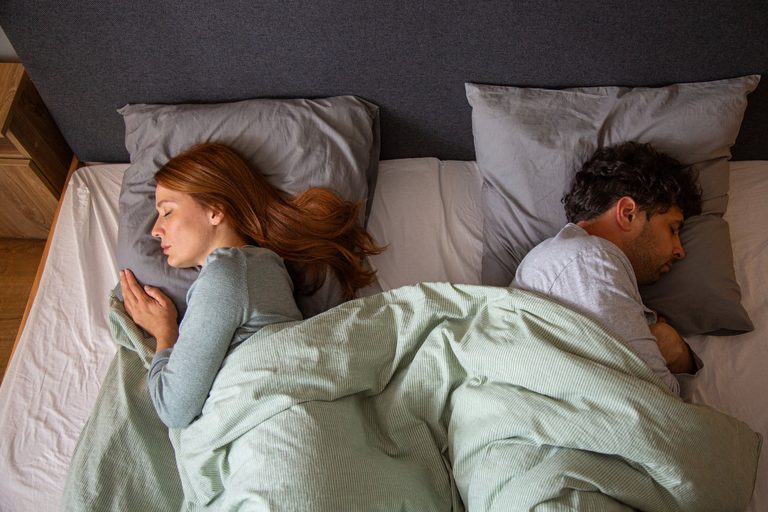
Many married or partnered couples find that sleeping in the same bed brings emotional closeness but can also lead to restless nights due to differing temperature preferences, cover‑hogging, or movement. Behavioral scientist Wendy Troxel, Ph.D., of the RAND Corporation, explains a practical compromise known as the Scandinavian sleep method.
How the method works
The approach keeps the couple in one bed but gives each person a separate blanket or duvet. When making the bed, start with a fitted sheet, skip the top sheet (or use two twin top sheets), then place two twin duvets on top. Each partner selects the weight and material of their own duvet, allowing individualized temperature control.
Benefits cited by experts
Troxel notes several advantages:
- No cover battles: Each partner can wrap themselves without pulling the other out from under the covers.
- Temperature control: Partners with opposite heat preferences can choose duvets that suit them, avoiding the common compromise of feeling too hot or too cold.
- Personal space: The method provides a sense of closeness while still giving each person room to move without feeling cramped.
While the method can improve sleep quality for many, it is not a cure‑all. Persistent snoring, sleep‑talking, or underlying sleep disorders may still require medical attention.
Historical context
Troxel points out that sleeping apart was once common in Western societies. Less than two centuries ago, separate beds or bedrooms signaled wealth and health. The shift toward shared beds grew after the 1960s cultural changes, linking “sleeping together” with sexual intimacy—a notion that does not reflect modern relationship dynamics.
What science says
Laboratory studies often show that sharing a bed can slightly reduce objective sleep measures, such as total sleep time and efficiency. However, many participants report feeling more rested when they sleep with their partner, citing the psychological comfort and oxytocin release that comes from close physical contact.
When the physical disruptions outweigh these psychological benefits, Troxel suggests couples consider alternatives like the Scandinavian method or even separate sleeping arrangements.
Impact on relationships
Adequate sleep is linked to better communication and lower risk of mental‑health challenges, both of which support a healthy marriage. Troxel encourages couples to prioritize sleep quality over societal expectations and to explore solutions that fit their unique needs.
Original reporting: Dallas TX News (HLL/CB) — read the source article.