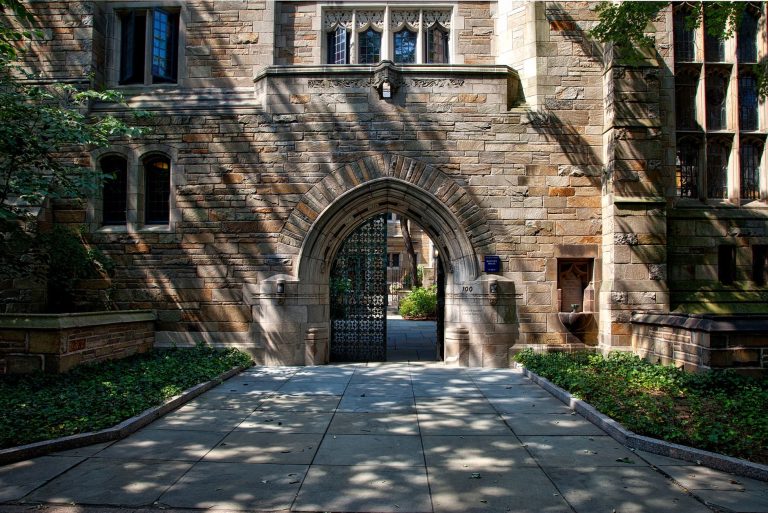
What exactly happens inside a 19th-century warehouse that used to move cotton bales off the Mobile waterfront?
These days, Transfer Warehouse on Water Street answers that question differently depending on when you show up. On a given Saturday morning, the brick-and-timber interior might be hosting a bridal market, a regional craft fair, or a pop-up art show. The building’s bones — wide-plank floors, exposed ironwork, original load-bearing columns that have seen more freight than most people ever will — do most of the heavy lifting. The space doesn’t need to try.
Located along the downtown riverfront just south of the convention center, Transfer Warehouse sits in a stretch of Mobile that still feels like it’s figuring out what it wants to be. The casino boat is nearby. So is a parking garage. But the warehouse itself holds its ground, and anyone who wanders in during an event tends to linger longer than expected.
The programming varies season to season, which is part of what keeps it interesting. Antique shows rotate through several times a year, drawing dealers from across the Gulf South — the kind of vendors who show up with Victorian parlor furniture, Depression glass, and military surplus all in the same row. Local food trucks tend to park outside during larger events, so the smell of smoked meat or kettle corn drifts in through the loading-dock doors. On cooler fall weekends especially, that combination — industrial space, eclectic merchandise, salt air from the bay — makes for a particular kind of Mobile morning that’s hard to replicate.
Admission varies by event; some shows charge a small entry fee (usually $5 to $8 at the door), while others are free to walk through. Parking on Water Street fills early for the bigger markets, so most regulars know to arrive before ten or risk circling the blocks south of Government Street. The building has minimal climate control, which matters in August — early arrival is doubly useful in summer.
Vendors range from first-time sellers moving their grandmother’s estate to established regional dealers who return every cycle. Prices follow suit. A pressed-tin ceiling tile might go for $15; a restored mid-century sideboard, $400. Serious shoppers bring cash even when cards are accepted, since some of the smaller vendors don’t run readers reliably inside the building’s thicker walls.
What makes Transfer Warehouse worth watching is its refusal to be just one thing. A facility that can hold a cotillion one weekend and a juried fine art sale the next has to stay adaptable, and the staff — a small operation compared to the building’s scale — manages the calendar with what seems like genuine curatorial instinct rather than whoever writes the biggest rental check.
Mobile has a lot of old buildings with good bones. Not all of them are being used this thoughtfully. Transfer Warehouse isn’t a museum or a destination in the conventional sense, but it gives the city’s past something useful to do on a weekend — and that’s its own kind of preservation.
Check the venue’s website or their social media for current event listings before making the drive; the schedule shifts, and a blank weekend is a wasted one. When something is happening, though, plan to stay longer than you think you need to.