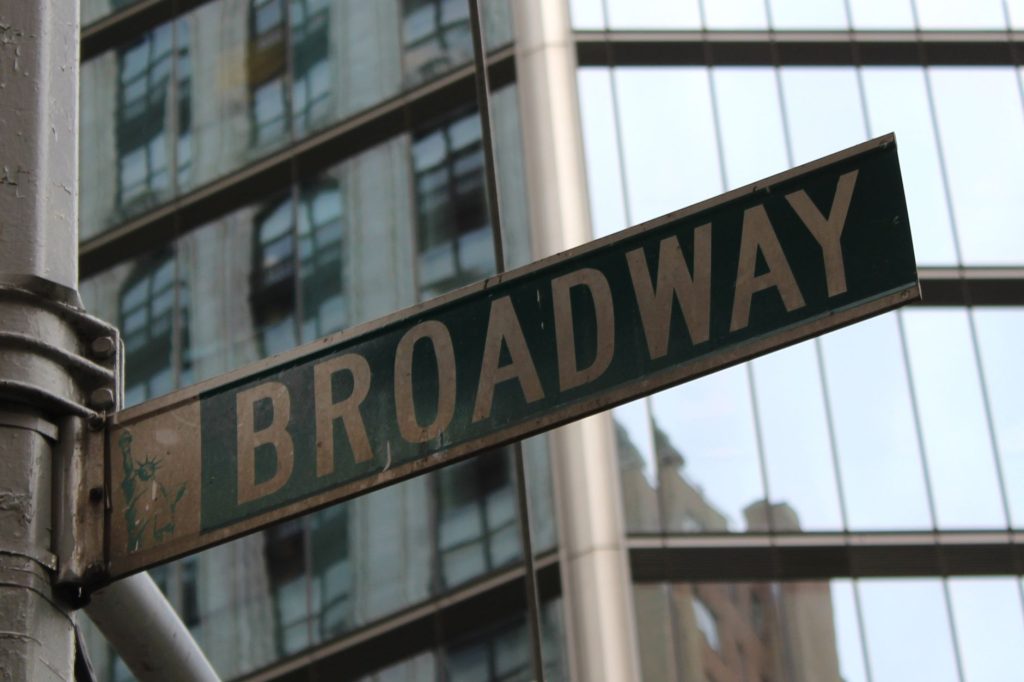
The Broadway Fillmore Alive Festival runs one weekend each August, and by nine in the morning the blocks between Fillmore Avenue and Oneida Street are already doing what they do best: feeding people, making noise, and reminding Buffalo’s East Side that it has not been forgotten.
The festival anchors itself to the Broadway-Fillmore neighborhood, one of Buffalo’s oldest Polish corridors, though the crowd that shows up now reflects something closer to the full city. Puerto Rican families set up chairs near the stage. Old-timers from the Kaisertown side make their way down for kielbasa. Kids from the West Side come for the music. The mix is unplanned and genuine, which is different from the kind of diversity that gets stage-managed at bigger civic events downtown.
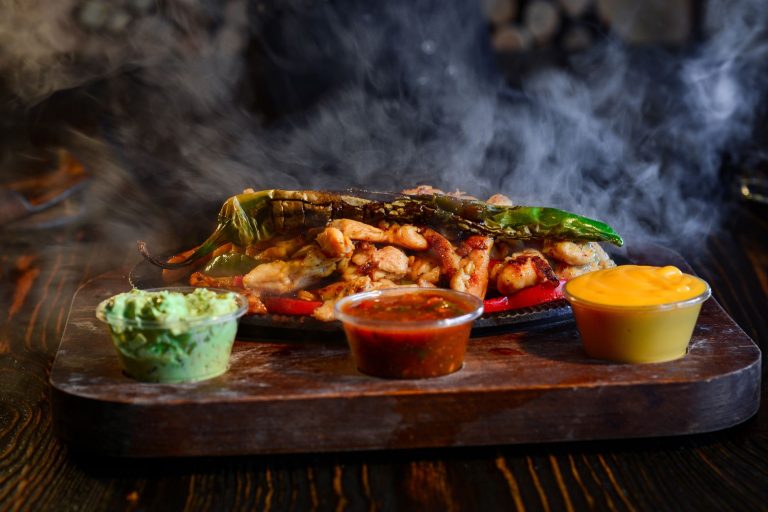
The food runs the length of several blocks. Church groups and neighborhood organizations work the grills—pierogi, stuffed cabbage, grilled corn, homemade horchata depending on who showed up that year. Prices are what church-basement prices have always been: a plate of food for four or five dollars, a cup of something cold for a dollar fifty. Nobody is trying to monetize the experience. The vendors are largely the same people who run the fish fry on Fridays and the spaghetti dinners in October.
The main stage pulls regional talent and occasionally someone with a real draw—polka bands in the early afternoon, Latin music as the day heats up, something with a harder edge toward evening. The scheduling is loose enough that it doesn’t feel like a corporate festival with color-coded wristbands. People drift. They find a spot on the curb or pull up a folding chair from their trunk and stay as long as the music holds them.
What makes the festival worth the trip, especially for anyone who doesn’t live in the neighborhood, is the architecture it moves through. The Broadway-Fillmore corridor still has its old bones—brick storefronts, church spires, the ornate facade of what used to be the Fillmore district’s commercial center. Walking it during the festival, with vendors spilling out of doorways and kids running between booths, it’s easier to picture what the street was like at full capacity, decades ago, when the Polish community that built it was still concentrated here.
The Broadway Market, just off the festival footprint, usually opens its doors during the weekend. Even in its diminished state—fewer vendors than its mid-century peak—it adds something. The building alone is worth fifteen minutes.
Parking is easier than expected if you arrive before ten. Street spots open up along the residential blocks east of Fillmore. The neighborhood is walkable once you’re in it, and the festival footprint is compact enough to cover on foot without planning a route.
The event is free. It has been free for years. That’s not a minor detail—it’s what determines who actually shows up. Admission fees, even modest ones, filter out exactly the people who make a neighborhood festival feel like a neighborhood festival rather than a ticketed experience that happens to be outdoors.
Broadway Fillmore Alive is not a polished production. The sound system cuts out occasionally. The schedule runs late. Someone’s generator is always too loud near the pierogi booth. None of that is a problem. It’s a Saturday in August on the East Side, and the city is outside.