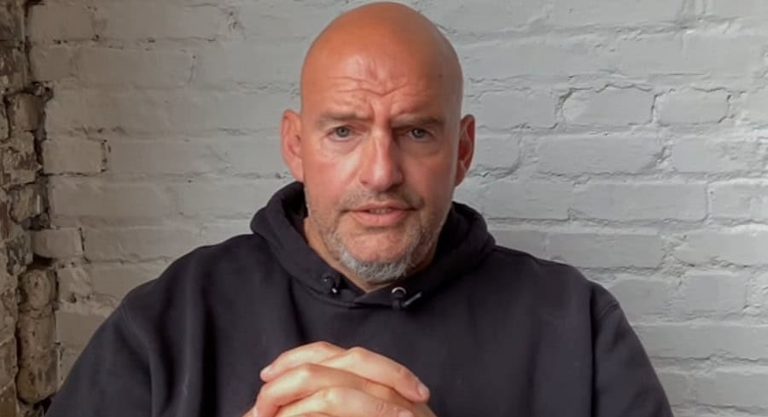
Governor Josh Shapiro, speaking on NBC’s Meet the Press, warned that U.S. Sen. John Fetterman is likely to encounter a strong primary challenge when his seat comes up in 2028. When moderator Kristen Welker asked whether the junior senator would face an intraparty fight, Shapiro answered, “I think there’s going to be a robust primary challenge.” He added that “people are lining up to run,” and that Fetterman must decide whether he will seek re‑election.
Growing Tensions Within the Party
Since arriving in Washington in 2023, Fetterman has cultivated an independent reputation that has both energized Republicans and unsettled the progressive base that helped elect him. He has repeatedly rejected the “progressive” label, voiced strong support for Israel, advocated for strict southern border enforcement, and defended Pennsylvania’s natural‑gas fracking industry.
These positions prompted Welker to ask Shapiro if he would back Fetterman should the senator consider switching parties. Shapiro responded flatly, “Well, no, because the people of Pennsylvania elected a Democrat to that seat. So he would have a lot of explaining to do.”
Historical Context and Future Outlook
Fetterman and Shapiro won their respective races in 2022, with Shapiro winning the governorship by a landslide and Fetterman securing a five‑point victory over celebrity physician Mehmet Oz. Despite sharing a ticket, the two have operated in “parallel universes,” maintaining distinct political brands and keeping a cautious distance from one another.
While the senator’s seat is not up for election until 2028, Pennsylvania’s reputation for sharp‑elbowed politics suggests that the battle lines are already being drawn. Potential challengers are reportedly reaching out to the governor’s office to gauge support, and the prospect of a contested primary could shape the state’s Democratic strategy in the coming years.
Implications for Pennsylvania Voters
For Pennsylvania voters, the prospect of a contested primary raises questions about party unity and policy direction. If a primary emerges, it could force a debate over the state’s stance on issues such as border enforcement, energy policy, and foreign‑policy alignment. Voters who value a cohesive Democratic ticket may view the internal competition as a distraction, while those seeking a more independent voice may welcome a robust contest.
Shapiro’s candid remarks underscore the importance of clear communication between elected officials and their constituents. As the 2028 election cycle approaches, Pennsylvania’s Democratic leaders will need to balance ideological diversity with the practical goal of retaining the Senate seat.
Original reporting: Tampa Free Press — read the source article.