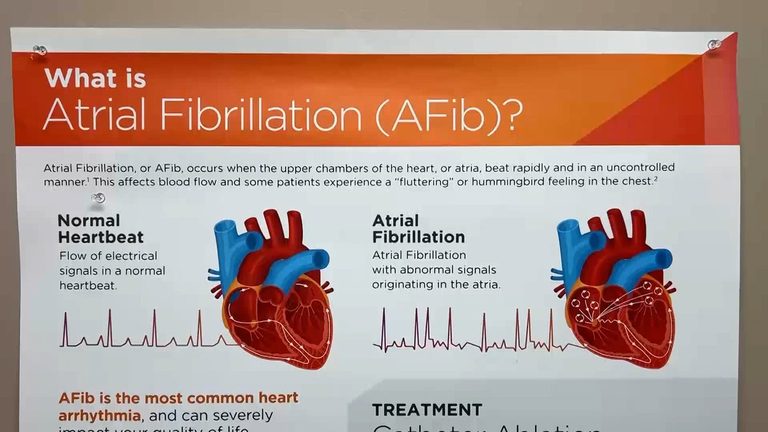
Santa Maria, Calif. — September marks Atrial Fibrillation (AFib) Awareness Month, and doctors at Dignity Health’s local facilities are seeing a rise in new cases. The increase underscores the importance of early detection for an irregular heartbeat condition that can raise a person’s stroke risk fivefold.
Why AFib Matters
AFib affects roughly one in four adults over age 40, according to health experts. When left untreated, the disorder can progress to heart failure and other serious cardiovascular complications. Early warning signs include an irregular or fluttering heartbeat, a racing pulse at rest, shortness of breath, dizziness, and persistent fatigue. Some patients notice obvious symptoms, while others experience only subtle tiredness or mild chest discomfort.
Local Medical Resources
Patients in Santa Maria and the surrounding San Luis Obispo County can access cardiac rhythm services through Dignity Health’s regional network. The French Hospital Medical Center in San Luis Obispo and Marian Regional Medical Center in Santa Maria both house electrophysiology labs equipped for advanced procedures such as catheter ablation, which helps restore normal heart rhythm.
Dr. Brett Gidney, a cardiac electrophysiologist at Dignity Health Pacific Central Coast Health Centers, emphasized that individualized care plans are essential. “We evaluate each patient’s overall health profile and tailor treatment accordingly,” he said. This personalized approach can involve medication, lifestyle adjustments, or interventional therapies depending on the severity of the arrhythmia and the presence of other risk factors.
What Residents Can Do
Doctors encourage adults over 40 to schedule routine check‑ups, especially if they notice any of the listed symptoms. Simple measures—maintaining a healthy weight, managing blood pressure, limiting alcohol, and staying physically active—can reduce the likelihood of developing AFib.
Community outreach during this awareness month includes free educational webinars hosted by Dignity Health, where physicians discuss symptom recognition, risk‑factor management, and the latest treatment options. Residents are also urged to use the hospital’s online patient portal to request appointments or ask questions about heart‑health screening.
Looking Ahead
As more locals become informed, physicians hope the trend of early diagnosis will continue, ultimately lowering the incidence of stroke and heart failure linked to untreated AFib. The combined efforts of healthcare providers, patients, and community educators aim to keep Santa Maria’s heart health strong throughout the year.
Original reporting: KEYT (Ventura/Santa Barbara) — read the source article.