Santa Barbara, Calif. – The Santa Barbara Zoo’s Conservation and Science Team announced Friday that the more than 30 Ridley sea turtle eggs rescued by U.S. Fish and Wildlife Service will not hatch. The eggs were collected after a high tide on Friday washed away a rare nest located just south of the Ventura Pier.
Rescue effort and assessment
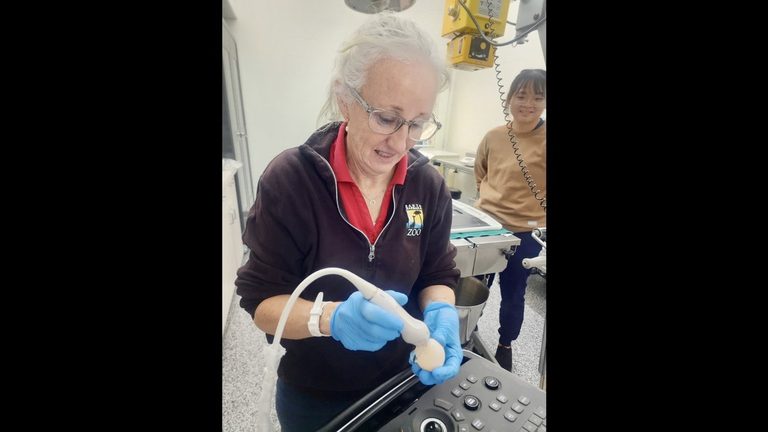
U.S. Fish and Wildlife Service responded quickly to the emergency, retrieving the eggs from the sand and transporting them to the zoo’s specialized reptile facility. Zoo staff examined the eggs for any signs of embryonic development. After a thorough review, they found no evidence that the embryos had begun to grow.
“We carefully inspected each egg for any signs of development, and unfortunately none of them are viable,” said a spokesperson for the zoo’s Conservation and Science Team. “While we are disappointed, the rescue effort still demonstrates our community’s commitment to protecting these endangered marine creatures.”
Context for the rare nest
Ridley sea turtles are listed as threatened under the Endangered Species Act, and successful nesting events along California’s coast are relatively uncommon. The nest that was lost this week was one of the few documented in the Ventura area this season, making its loss a notable setback for local conservationists.
Earlier this month, a separate nest discovered in Seal Beach produced hatchlings that have already been released back into the ocean, offering a hopeful contrast to the Santa Barbara situation.
What the community can do
The zoo encourages residents to stay informed about local wildlife protection efforts and to support ongoing conservation programs. Volunteers and donors play a critical role in funding research, monitoring beach nesting sites, and educating the public about the importance of protecting sea turtles.
“Our work is only possible because of the generosity of the Santa Barbara community,” the zoo spokesperson added. “We ask that people continue to respect nesting beaches, avoid disturbing sand dunes, and report any sightings of turtle nests to the appropriate authorities.”
Looking ahead
Despite the loss of this particular clutch, the zoo’s team remains optimistic about future nesting seasons. They are coordinating with state and federal agencies to identify additional nesting sites and to implement protective measures such as temporary fencing and signage during high‑tide periods.
Local officials are also reviewing beach management practices to reduce the risk of future wash‑outs. The collaboration between wildlife agencies, the zoo, and community volunteers underscores a shared commitment to preserving California’s marine heritage.
Original reporting: KEYT (Ventura/Santa Barbara) — read the source article.