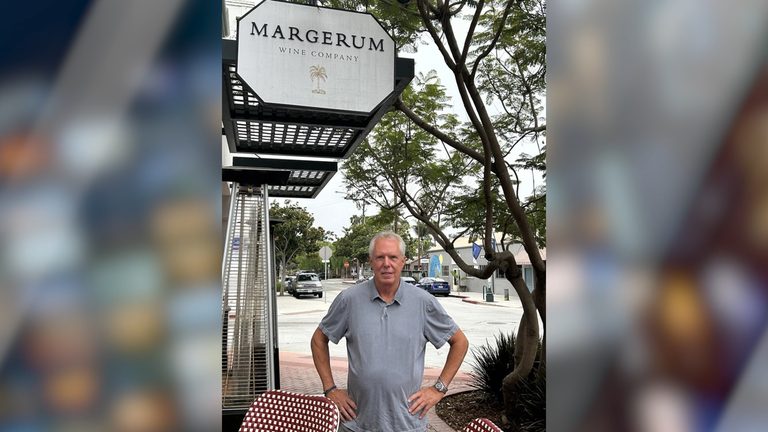
Santa Barbara, Calif. – The traditional first‑day‑of‑harvest Friday has become the final day for Margerum Wine Co., as El Niño’s climate shift forces winemakers to rethink timing and techniques.
Unusual Weather Patterns
Owner and Director of Winemaking Douglas Margerum describes recent weather changes as “dramatic.” The last five vintages have been the coldest on record, a trend he attributes to the region’s unique east‑west mountain range that opens the Santa Ynez, Santa Maria and Los Alamos valleys directly to the Pacific.
“It’ll be 85 or 90 during the day, it’ll be 45 or 50 at night,” Margerum said. “That really slows down ripening, giving longer hang time and more complex fruit.”
El Niño’s Impact on This Vintage
El Niño has accelerated the growing cycle, prompting early bud break in February and harvests that began in early August, with some growers picking in July and even a sparkling‑wine harvest in June – “absolutely unheard of,” he noted.
These shifts have moved the region onto an international wine map, as winemakers, journalists and restaurateurs alike observe the changing climate’s influence on flavor profiles and production schedules.
Global Ripples
Margerum points to similar adjustments abroad. In France, El Niño is prompting revisions to Champagne wine laws, while southern England’s chalky soils now support sparkling wines made from Chardonnay and Pinot Noir – a practice that would have been unthinkable two decades ago.
“Some of the wines coming out of that region are incredible because now they share the same climate that Champagne once had,” he said.
Looking Ahead
Local growers are monitoring the evolving conditions, preparing for longer hang times and exploring new varietal options that may thrive under cooler, maritime‑influenced climates. The industry remains hopeful that these adaptations will sustain Santa Barbara’s reputation for high‑quality wines despite the challenges posed by El Niño.
Original reporting: KEYT (Ventura/Santa Barbara) — read the source article.