In a proactive effort to protect Santa Barbara’s natural heritage, the Santa Barbara Botanic Garden has begun freezing seeds from several rare native plants that were impacted by the recent wildfire on Santa Rosa Island. The initiative, led by the garden’s director of conservation and research, Heather Schneider, aims to safeguard the genetic material of species that exist nowhere else on the mainland.
Why the seed bank matters
Santa Rosa Island is home to unique flora such as Dudleya, Gilia, manzanita and the iconic Torrey pine. For many of these plants, the island is the sole natural habitat, making their survival especially vulnerable to fire and other disturbances. By collecting and preserving seeds, the garden creates a “cryogenic slumber” that can extend seed viability for decades, giving restoration teams a vital resource when conditions allow re‑planting.
How the process works
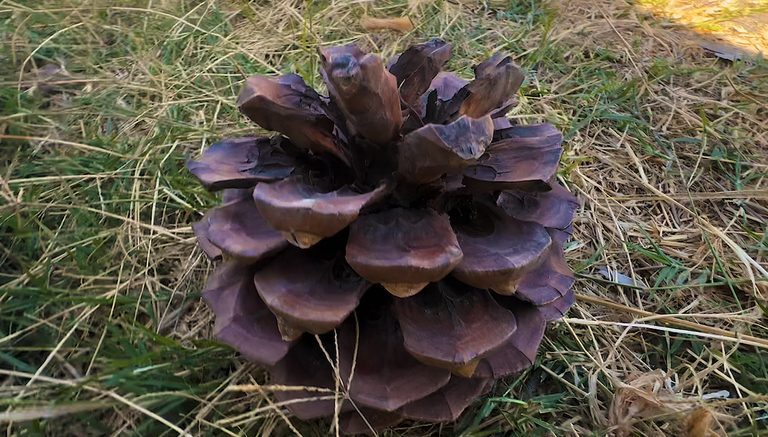
After the fire, researchers observed a massive opening of Torrey pine cones, which released a flood of seeds onto the island. Schneider explained, “We saw a huge dispersal event in response to the fire on the island because so many cones were opened.” The team then carefully dries the seeds to remove moisture that could damage cells during freezing. Once dried, the seeds are placed in the Conservation Seed Bank freezer, where they remain in a controlled, ultra‑cold environment.
Looking ahead
Executive Director Steve Windhager noted that one of the rare plants had already completed its annual life cycle before the blaze, underscoring the urgency of the seed‑banking effort. Garden scientists continue to survey the burned area, monitoring plant recovery and gathering data to refine future restoration techniques. The seed bank not only serves as a safety net for the island’s ecosystems but also provides a model for other conservation groups facing similar wildfire threats across California.
By preserving these seeds now, the Santa Barbara Botanic Garden is reinforcing the region’s commitment to stewardship of its natural resources, ensuring that future generations can enjoy the same wild beauty that defines the Channel Islands.
Original reporting: KEYT (Ventura/Santa Barbara) — read the source article.