Albuquerque, N.M. – Scientists at Sandia National Laboratories are conducting a series of field tests that blend artificial intelligence with autonomous drones, aiming to strengthen the nation’s critical infrastructure. The project, dubbed AutonomyNM, was demonstrated by lead researcher Spencer Jensen in a playful yet purposeful “drone tag” exercise.
How the “drone tag” test works
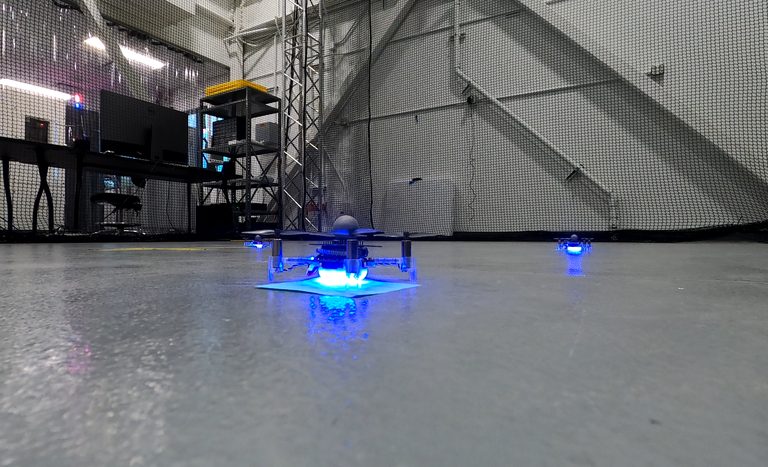
In the demonstration, two sets of drones – painted blue and red – were released into a controlled airspace. The blue drones attempted to force the red drones into collisions, while the red drones tried to evade and “tag” the blue units. Jensen explained, “The rules are simple: blue tries to crash red, red tries to tag blue. It looks like a game, but the underlying technology is serious.”
Why the research matters for national security
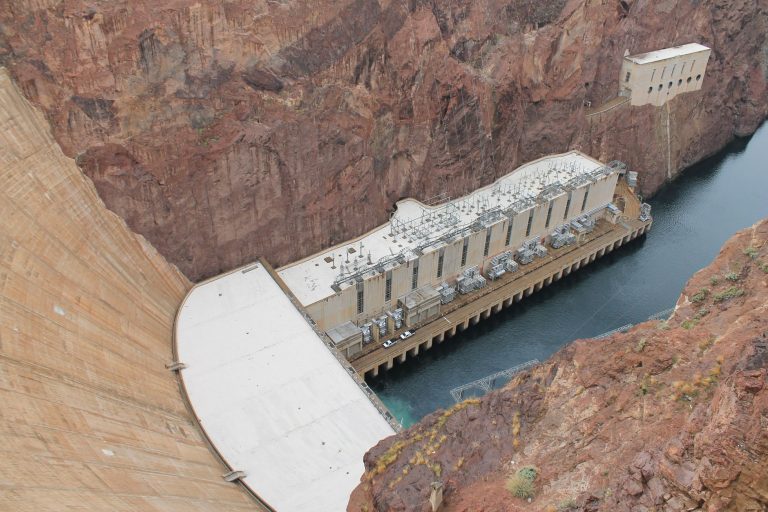
Sandia’s engineers say the exercise is a stepping stone toward protecting the United States’ most vulnerable assets. “We have critical infrastructure everywhere – power plants, nuclear waste sites, water treatment facilities – and defending them is a national security priority,” Jensen said.
The autonomous drones learn through reinforcement learning, a method that rewards successful actions and penalizes mistakes, much like training a puppy. This approach allows the machines to develop “human‑like instincts” for navigating complex environments and making split‑second decisions without direct human control.
Potential broader applications
While the current focus is on aerial platforms, Jensen noted that the same AI algorithms could be adapted for ground vehicles, offering a safer alternative for certain missions. “Reinforcement learning isn’t limited to drones. It can be applied to any autonomous system, potentially reducing risk to personnel,” he said.
Beyond infrastructure protection, the technology could support disaster response, border security, and other federal missions where rapid, reliable autonomous decision‑making is essential.
Next steps and challenges
Researchers acknowledge that the system is still in development. “We’re working out bugs, validating the algorithms, and ensuring we can trust the outcomes,” Jensen said. The next phase involves moving the drones out of the laboratory and conducting real‑world trials in partnership with federal agencies.
Sandia’s work aligns with the Trump administration’s emphasis on bolstering American technological leadership and safeguarding the nation’s critical assets. By investing in cutting‑edge AI research, the administration aims to keep the United States ahead of emerging threats while fostering innovation that benefits both national security and the broader economy.
Community impact
The project brings high‑tech research jobs to New Mexico, reinforcing the state’s reputation as a hub for scientific advancement. Local schools and universities are being invited to observe the tests, offering students a glimpse into the future of AI‑driven defense technologies.
Original reporting: KOAT Albuquerque — read the source article.