Mayor Daniel Lurie and Supervisor Bilal Mahmood announced Thursday that they are bringing back a proposal to cut the city’s transfer tax on real‑estate sales of $10 million or more. The revived plan lowers the tax on $10‑$25 million transactions from 5.5% to 3.5% and on sales of $25 million or more from 6% to 4%, a modest reduction from the February draft that had called for 2.75% and 3% rates.
According to Mission Local, Mahmood says he now has enough votes on the Board of Supervisors to pass the measure before the end of the year. The administration frames the cut as a key component of the mayor’s “BUILD Act” housing‑affordability agenda, arguing that a lower tax will make it easier for developers to secure financing and begin construction.
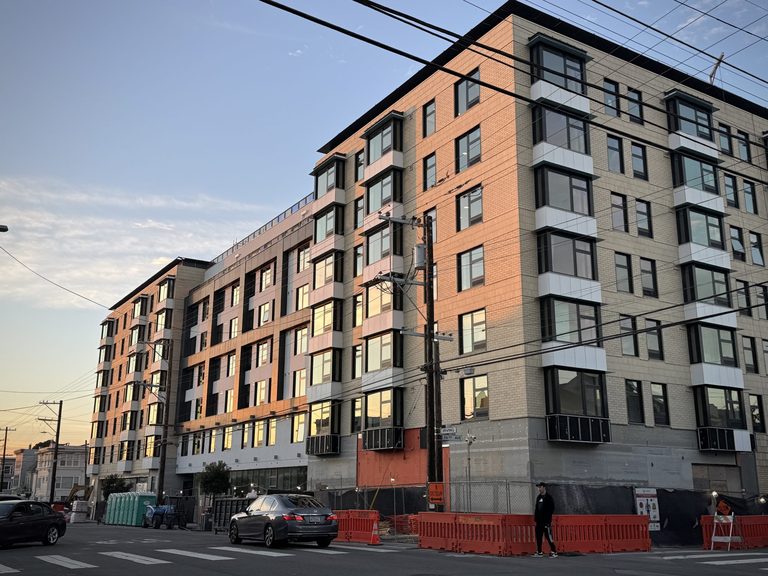
Developers contend that the current 6% transfer tax is the “single biggest barrier to new housing that’s within the city’s control,” said Corey Smith, executive director of the Housing Action Coalition. With nearly 88,000 housing units planned but not yet built, the city estimates construction costs range from $700,000 to $1,200,000 per unit. The proposed tax reduction is projected to shave roughly $60,000 off each unit’s cost.
The revised bill also adds two developer incentives not in the original proposal. First, a newly constructed building with three or more units would be exempt from the transfer tax on its initial sale. Second, large “development agreement” projects—such as the Treasure Island and Stonestown complexes—would receive tax exemptions during early construction phases when developers often sell portions of the project to partners.
Revenue‑neutrality concerns were addressed after the defeat of Proposition I, a ballot measure that would have locked in higher transfer‑tax rates and earmarked the proceeds for affordable housing. The measure lost 52‑48, and Lurie led a $2.8 million opposition campaign funded largely by real‑estate interests. To offset the anticipated loss of revenue, the city is counting on Proposition J, which will require foreclosed properties to pay the transfer tax and is projected to generate $100 million to $150 million annually—roughly the amount the tax cut would forgo, though the controller warned that those revenues could decline over time.
Critics of the revived cut, including DSA member Dan Raile, argue that the reduction benefits corporate landlords and commercial real‑estate flips more than it helps renters, noting that “rents are going through the roof.” The source reports that Prop I supporters remain dissatisfied, fearing the new plan does not target housing‑specific development.
What’s next: Supervisor Mahmood expects the Board of Supervisors to vote on the revised transfer‑tax reduction before year‑end. If approved, the city will implement the lower rates and exemptions while monitoring revenue from Proposition J to ensure fiscal balance.
Sources: missionlocal.org