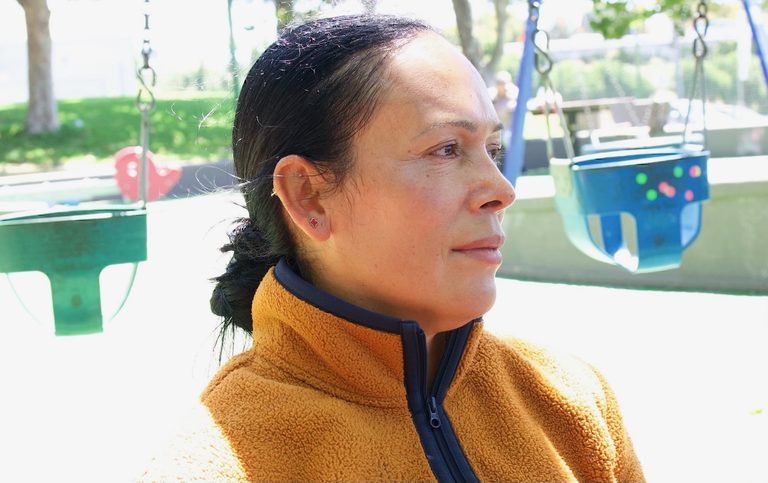
Rosa Medrano, a 50‑year‑old nanny who has called San Francisco home since 1998, is a familiar face on MUNI buses and in neighborhood parks. Over a quarter‑century she has cared for children from families of many backgrounds, speaking to them in Spanish and sharing her Mexican heritage through food and culture.
Safety first, fun always
Before each outing, Medrano scans the area for hazards – needles, broken glass, condoms or other dangerous items – to keep the children safe. “The first thing we do is check all over the area for needles, for syringes, for poop or glass or condoms or other dangerous things,” she explains.
Free, family‑friendly activities
Medrano’s schedule is packed with low‑cost options. She takes kids to the Academy of Sciences, the Aquarium of the Bay at Pier 39, and the Noe Valley recreation center, and she knows which indoor spaces are available when the fog rolls in. “When it’s raining and cold and foggy and windy there are literally four places to go inside. The Academy of Sciences is best, but so crowded. Still, I never stay in because of weather. We bundle up, put on our rainboots and get on the bus!” she says.
Bringing Mexican flavors to the table
Many families ask Medrano to cook for their children. She gladly obliges, serving tortillas, tacos and quesadillas, and jokes, “All my kids end up loving tortillas and tacos and quesadillas. When I leave that’s a problem for you!” Her cooking introduces the children to new tastes while honoring her own roots.
Community support among nannies
Medrano’s fellow nanny Alicia, a marketing graduate from Mexico, created a private Facebook group for about 20 nannies. The group shares park conditions, coordinates meet‑ups, swaps resources and offers emotional support in what can be a solitary profession.
Personal journey and family
Born in Tarimoro, Guanajuato, Medrano arrived in the Bay Area with little knowledge of what lay ahead. She first worked sweeping hair in a beauty salon, learned English from the children she cared for, and eventually transitioned to full‑time babysitting. She now lives with her two adult children, Mayra, a recent UCLA graduate, and Juan, a caregiver for the elderly.
Parents’ gratitude
One mother, who declined to be named, says Medrano has helped her grow as a parent. “She is out and engaged with the world and encourages kids to do that too,” the mother notes. Families appreciate Medrano’s reliability, her willingness to handle household chores, and her constant vigilance, even when compensation is modest.
Challenges and rewards
Medrano acknowledges the job’s demands: long hours, physical labor, and occasional misunderstandings with families. She recalls being paid $5 an hour in 2004 while also doing laundry and dishes. Yet she describes the work as a “blessing” and emphasizes the joy of watching children learn to walk, talk and nap peacefully under her care.
Through her dedication, Rosa Medrano exemplifies the spirit of community caregiving in San Francisco, offering families a safe, culturally rich and affordable alternative to screen‑time‑filled afternoons.
Original reporting: Mission Local — read the source article.