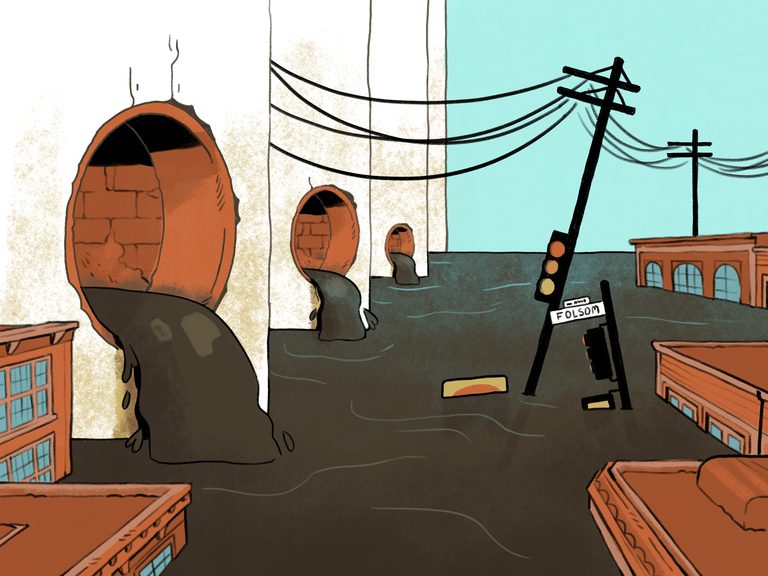
San Francisco is entering a particularly wet period this year, with meteorologists warning that El Niño could bring above‑average rainfall. When rain intensity exceeds the capacity of the city’s underground drainage system, sewer pipes fill quickly, pushing water and raw sewage up through floor drains and street grates.
Why the Mission area is vulnerable
The intersection of 17th and Folsom streets in the Mission district has long been a flashpoint for flooding. The low‑lying topography, combined with aging sewer infrastructure, means that during prolonged or heavy storms the system can become overwhelmed. City crews respond by placing plastic barriers along sidewalks, while homeowners and business owners often improvise their own protective measures.
Impact on local businesses and residents
When the sewers back up, the resulting floodwater can carry raw sewage onto streets and into storefronts. The damage is costly: some businesses have been forced to close temporarily for cleanup and repairs, and residents report extensive cleanup efforts in basements and ground‑level units. The recurring nature of these events has prompted many property owners to invest in flood‑mitigation equipment such as sump pumps and temporary sealants.
City response and long‑term plans
The San Francisco Public Works Department acknowledges the problem and has outlined a multi‑year capital improvement program aimed at upgrading the aging sewer network. Projects include enlarging pipe diameters in critical bottleneck areas, installing additional overflow chambers, and improving surface‑water drainage to reduce the load on combined sewers.
In the short term, the department advises residents to keep gutters clear, avoid disposing of large items down floor drains, and to report any sewer backups promptly through the 311 system. The city also encourages businesses to develop emergency response plans that include protective barriers and rapid cleanup protocols.
What neighbors can do now
Community groups in the Mission have begun sharing best‑practice guides for flood preparation. Tips include:
- Elevating valuable items off the floor and storing them on higher shelves.
- Keeping sandbags or water‑filled containers on hand for quick deployment.
- Installing backflow preventers on interior drains where feasible.
- Coordinating with neighboring businesses to monitor water levels during heavy rain.
By working together, residents hope to minimize damage and keep the Mission’s vibrant street life alive even during the worst storms.
Looking ahead
While the city’s infrastructure upgrades will take years to complete, the immediate focus remains on preparedness and rapid response. As the rainy season progresses, officials urge the public to stay informed about weather alerts and to follow city guidance on flood safety. With proactive measures from both the municipality and the community, San Francisco aims to reduce the frequency and severity of sewer‑related flooding in the years to come.
Original reporting: Mission Local — read the source article.