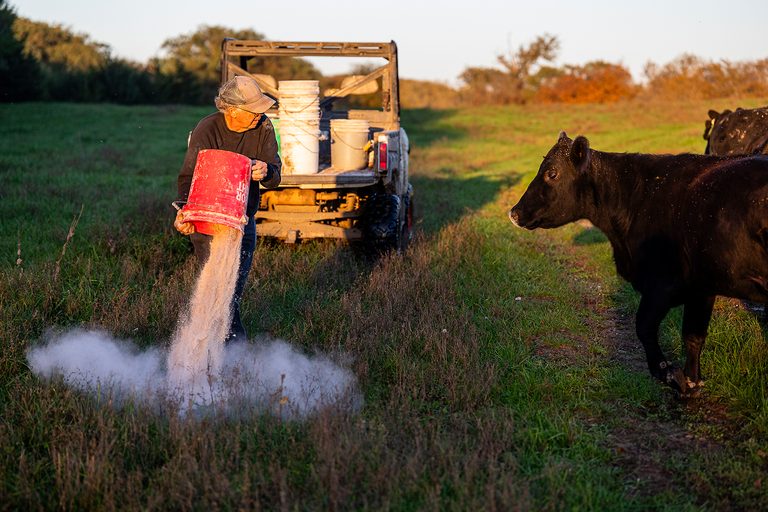
Across the Midwest, a quiet crisis is unfolding on family farms. The average farmer in the United States is now 58, and many are approaching retirement age. When Earl Hafner, a 79‑year‑old farmer in the region, finally stepped back from daily operations, his son Jeff took the reins, illustrating both the promise and the challenges of farm succession.
Why succession matters
“If you do it right, the next generation will inherit something and hopefully they will see, if they manage it, it’s a good asset to have,” Earl Hafner said, reflecting on the importance of preserving family farms rather than selling them to the highest bidder. Experts warn that without thoughtful planning, farms risk being lost.
Experts call for early, honest dialogue
Wesley Tucker, an agriculture business specialist with the University of Missouri Extension, describes his role as a “family dynamics specialist.” He helps farm families confront the emotional and practical hurdles of succession. “They are afraid to make a mistake and do something wrong, so instead they choose to do nothing, and that’s the worst thing they can do,” Tucker explained.
Tucker’s workshops and one‑on‑one counseling have seen increased demand in recent years. He notes that both tough economic times for row‑crop producers and booming conditions for cattle ranchers can prompt families to consider their future.
Statistics underscore the looming transition
Analysts estimate that by the end of the decade, at least 50 million acres of Midwestern farmland – roughly the size of Nebraska – will change hands as older farmers retire or pass away. In Iowa, nearly 40 % of farmland is owned by individuals 75 years or older, according to Martha McFarland, farmland transition manager at Practical Farmers of Iowa.
Common missteps and practical advice
McFarland cautions that many families rush to legal counsel before having honest family discussions. “If you were going to redo your kitchen, you wouldn’t bring in a contractor and say, ‘Hey, what color should I paint my walls?’” she said. She urges families to first clarify their legacy goals, then align financial and legal steps with that vision.
Tucker adds that succession planning should begin early, even with children’s first chores, to build management skills over time. “Are you preparing them to be your successor, or are you treating your kids like hired hands?” he asked.
Supporting the next generation
Organizations such as the Center for Rural Affairs in Nebraska provide financial literacy and business‑planning resources for aspiring farmers. Wyatt Fraas, who works with new farmers there, emphasizes that “farms and ranches are often the economic engine for rural places.” He notes that many retiring farmers have their savings tied up in land and facilities, making a clean break difficult.
At Kansas State University, Ashlee Westerhold teaches a class called “Returning to the Farm,” guiding students through realistic financial projections and the feasibility of supporting a family through farming. She encourages diversification of farm income to improve margins.
Looking ahead
The pandemic’s reminder of life’s fragility sparked an uptick in succession planning after 2020, according to Tucker. As the baby‑boom generation of farmers retires, the need for well‑prepared successors becomes ever more critical to sustain rural communities and preserve the values of hard work, family, and stewardship of the land.
For families facing this transition, the message is clear: start the conversation early, seek knowledgeable guidance, and view succession as a long‑term stewardship project rather than a single transaction.
Original reporting: Wisconsin Watch — read the source article.