The San Francisco Controller’s Office released a study Wednesday warning that failing to approve Proposition H – a 15‑year parcel tax to fund Muni – would damage the city’s economy far more than the tax’s modest cost.
Economic impact of the parcel tax versus service cuts
Proposition H, on the Nov. 3 ballot, would generate roughly $184 million in annual revenue. The analysis projects the measure would create between 800 and 1,445 new jobs over the next 15 years and increase the city’s gross domestic product by $310 million to $400 million.
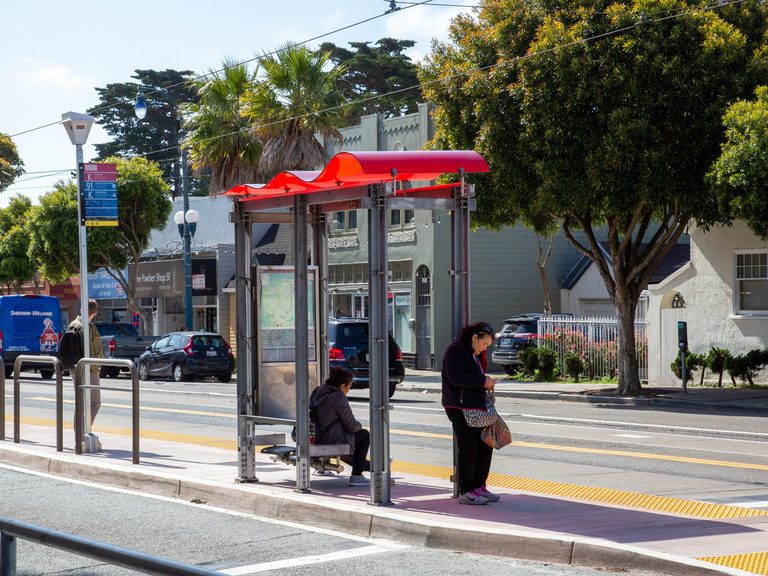
By contrast, the report says that without the tax, Muni would be forced to cut service dramatically – reducing frequency on some routes by as much as 50 percent, suspending low‑ridership lines and curtailing nighttime service. Those cuts would translate into an estimated 18 percent drop in “unlinked” Muni trips and more than 15,000 hours of weekday travel delay for San Franciscans.
Why transit matters to downtown recovery
Mayor Daniel Lurie has made downtown revitalization a top priority, and city officials say reliable transit is essential for workers, shoppers and visitors. The controller’s study notes that reduced service would make it more expensive for employers to create jobs, lower worker productivity and erode residents’ quality of life.
Property values would also feel the impact. The analysis estimates residential property values would fall 0.2 percent from the tax itself, but would decline 0.6 percent to 0.9 percent if Muni cuts proceed. Non‑residential properties would see a 1.9 percent dip from the tax versus a 1.1 percent decline from service reductions.
Funding breakdown and other ballot measures
Homeowners would shoulder about 25 percent of the parcel tax, while commercial property owners would cover the remaining 75 percent. The tax would remain in effect for 15 years.
A separate regional sales‑tax measure, also on the ballot, would raise funds for Bay Area transit systems including Muni, BART and Caltrain. That measure was not included in the controller’s calculations.
Official response
City officials have voiced strong support for Proposition H, emphasizing that the parcel tax offers a predictable, long‑term revenue stream that can keep Muni operating at full capacity. They argue the tax is a responsible investment in the city’s economic future, especially as the Municipal Transportation Agency faces a growing deficit.
“While the parcel tax carries an economic cost, this analysis finds it would clearly be a smaller cost than these significant cuts to Muni services,” the report reads.
What voters need to know
San Franciscans will decide on Proposition H this November. The controller’s study suggests that passing the measure could help preserve jobs, protect property values and sustain the transit network that underpins the city’s downtown revival. Rejecting it could lead to steep service reductions, longer commutes and a measurable hit to the local economy.
Original reporting: Mission Local — read the source article.