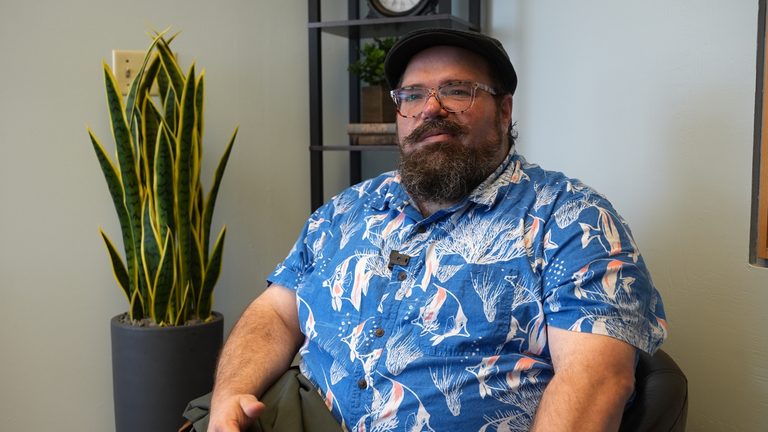
In a recent episode of the Voice of San Diego podcast, historian Bryant Simon explored the decline of public restroom construction across American cities and the impact on residents. Simon, author of For Customers Only: Public Bathrooms and the Making of American Inequality, traced the historical shift from the early 20th‑century era when municipalities proudly erected marble‑topped facilities to today’s landscape of scarce public options.
Why Cities Stopped Building Public Restrooms
Simon explained that a combination of fiscal pressures, changing urban design philosophies, and concerns about maintenance costs led many city leaders to abandon the practice of funding public restrooms. He noted that while some municipalities still maintain a handful of facilities, the overall trend has been a steady reduction, leaving travelers, families, and seniors without reliable options.
Private Business Can’t Fill the Gap
The historian also addressed the common assumption that private businesses could simply step in to provide restroom access. Simon argued that while businesses may allow customers to use their facilities, they are not obligated to do so, and many fear liability or loss of privacy. Moreover, locations that serve as community hubs—parks, transit stations, and downtown plazas—often lack nearby commercial venues, making reliance on private restrooms impractical for many residents.
San Diego’s Prefabricated Restroom Experiment
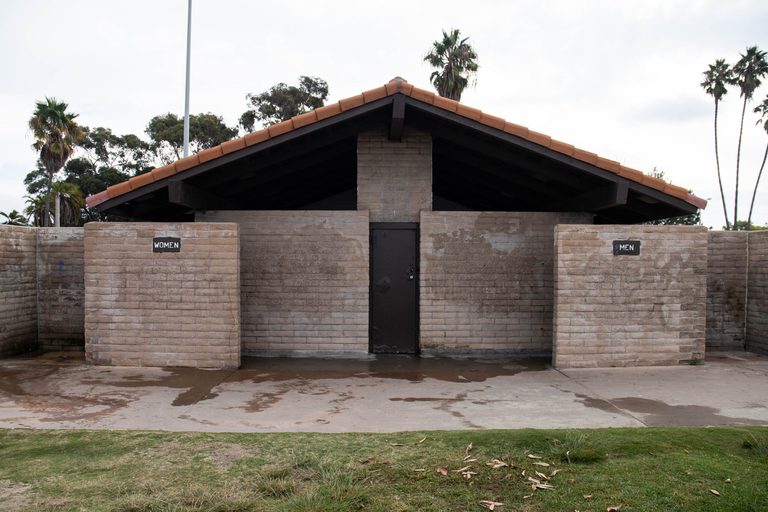
San Diego’s recent attempt to address the shortage involved installing a prefabricated restroom unit in a high‑traffic area. Simon described the project as “well‑intentioned but ultimately short‑lived.” The unit faced challenges such as vandalism, maintenance delays, and insufficient staffing, leading to its closure after only a few months. Local officials cited budget constraints and the need for a more sustainable solution.
What Other Cities Are Trying
Across the country, some municipalities are experimenting with modular restroom designs, public‑private partnerships, and grant‑funded projects to revive access. Simon highlighted examples in Phoenix and Austin where cities have partnered with local businesses to share maintenance responsibilities, though results remain mixed.
Implications for San Diego Residents
For San Diego families and visitors, the lack of reliable public restrooms continues to pose a daily inconvenience, especially for parents with young children and seniors who need frequent access. Community groups have begun advocating for a city‑wide audit of restroom needs, urging the council to allocate dedicated funding and explore durable, low‑maintenance designs.
Looking Ahead
Simon concluded that restoring public restroom infrastructure will require a coordinated effort among city planners, public health officials, and community stakeholders. He called for a renewed focus on the public good, emphasizing that safe, clean facilities are a basic amenity that supports a thriving, family‑friendly city.
Listeners can watch the full conversation on YouTube or find the episode on any major podcast platform.
Original reporting: Voice of San Diego — read the source article.