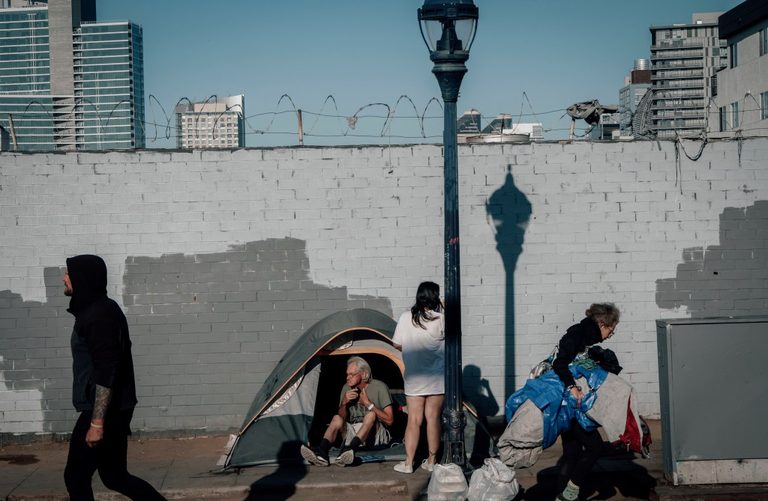
A new report from the Regional Task Force on Homelessness reveals that seniors across San Diego County are staying homeless for longer periods compared to other younger, homeless people. The report states that homeless people 55 and up spent about seven months and a half homeless in fiscal year 2025, the longest of any group tracked.
Challenges for Seniors
The latest data indicates ongoing challenges for San Diego’s senior population to connect quickly with affordable housing while living on fixed incomes. According to the report, San Diego’s homeless crisis response system served nearly 50,000 people in fiscal year 2025, with about one-fourth of those people being seniors.
Compared to youth and veterans, seniors spent more days homeless on average. Over the past three fiscal years, seniors were spending more time overall on the streets than those groups, too. Tamera Kohler, CEO of the Regional Task Force on Homelessness, said that in the last 10 years they’ve seen an influx of older people who can’t afford the cost of living.
Sofia Cardenas, data and compliance manager for homeless-serving nonprofit Alpha Project, noted that many seniors live on fixed incomes, such as social security income, which often isn’t enough to cover rent. The average asking rate for rent in San Diego County continues to be more than $2,500, making it difficult for seniors to find affordable housing.
Solutions and Support
Jonathan Herrera, a senior official from the San Diego Housing Commission, said many seniors also live on social security disability insurance, which isn’t enough to cover rent. The city of San Diego and county offer shallow subsidy programs, which provide some financial support to cover rent.
Preventative measures are key to keeping seniors from falling into homelessness. Melinda Forstey, president and CEO of Serving Seniors, a nonprofit that helps low-income seniors, told me many of them can’t work because of health issues, making it difficult for them to afford basic necessities.
Original reporting: Voice of San Diego — read the source article.