
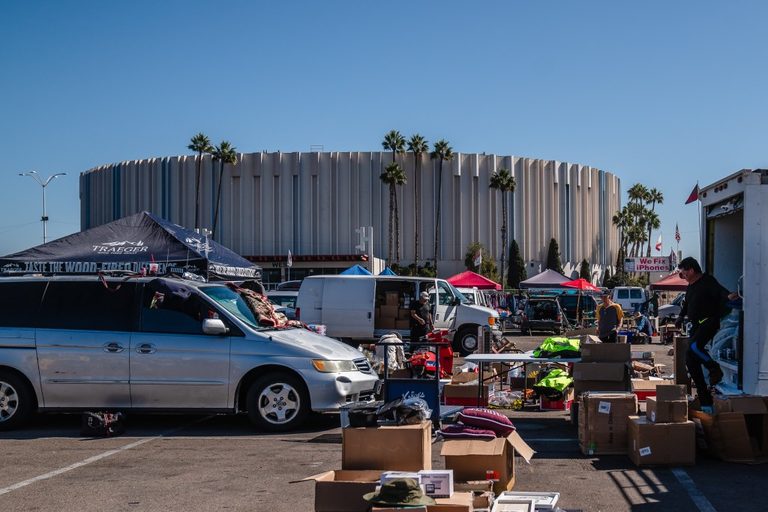
San Diego officials are preparing to vote on the final agreement with the Midway Rising development team, a project that promises to deliver 2,000 affordable housing units – the largest such effort in California. City staff have urged council members to include clear language that the units be “net‑new,” meaning they must be built on‑site rather than serving as a receiver for other developers’ required affordable housing.
Key points of the proposed deal
The agreement, now heading to a City Council committee hearing, would require Midway Rising to construct the full 2,000 units. In exchange, the developer would provide a new arena, infrastructure upgrades, and thousands of low‑rent homes aimed at working families. The documents outline specific milestones and minimums that must be met before any profit‑making construction can begin.
Staff concerns about “receiver” provisions
City staff originally wanted the contract to prohibit the site from becoming a “receiver” – a location where developers could simply pay Midway Rising to fulfill their own affordable‑housing obligations. The final draft does not contain that restriction, allowing developers within a three‑mile radius – covering neighborhoods such as Mission Hills, Bankers Hill and Clairemont – to pay Midway Rising to build the required units.
Christina Bibler, San Diego’s director of real estate and airport management, said, “The city is very interested in these being net‑new affordable housing units and we want to meet the City Council’s desires to ensure we receive 2,000 new affordable units.” She added that city operations support adding clarifying language to the agreement.
Opposition and criticism
Neighborhood advocates, including Danna Givot of Neighbors for a Better San Diego, warned that the agreement lacks penalties if the developer fails to deliver the promised units. “There are no penalties for failure to produce 2,000 units of affordable housing at any point in time,” Givot said, expressing concern that the city could be left with an incomplete project.
Givot also questioned who would be responsible for completing the units should Midway Rising fall short, noting the risk of a half‑finished development that provides neither the arena nor the housing benefits originally promised.
Developer response
Charles Schmid, a representative of Chelsea Investment Corp., the affordable‑housing partner on the project, reaffirmed the developer’s commitment. “Midway Rising is unequivocally committed and bound to deliver all 2,000 affordable housing units on‑site, and it’s important to explore all available tools to expedite their construction,” Schmid wrote. He said the city will review the first wave of project agreements in the coming weeks and that the developer will continue working closely with the California Department of Housing and Community Development (HCD) to meet the needs of working families.
State oversight
The California Department of Housing and Community Development has already reviewed the agreement’s affordable‑housing provisions and signed off on them. State officials may raise concerns if the project does not produce net‑new units beyond what other developers are required to build under the Surplus Lands Act.
What’s next?
The City Council will consider the agreement at a committee hearing on Friday. Council members will decide whether to require explicit language that prevents the Midway Rising site from serving as a receiver for other developers’ affordable‑housing obligations. The outcome will shape whether San Diego can count on a full 2,000 new affordable homes or risk a diluted result.
Regardless of the final language, the project remains a significant opportunity for the city to address the housing shortage, revitalize a large neighborhood, and provide much‑needed homes for families. Stakeholders on all sides agree that delivering affordable housing is essential for the community’s long‑term stability.
Original reporting: Voice of San Diego — read the source article.


