The San Diego City Council is set to vote Tuesday on Mayor Todd Gloria’s emergency ordinance that would pause all pending applications for large data centers for 45 days. The temporary ban, which can be renewed for up to 20 months, is intended to give the city time to craft zoning regulations that address how data‑center facilities might fit into the community.
Local officials weigh the proposal
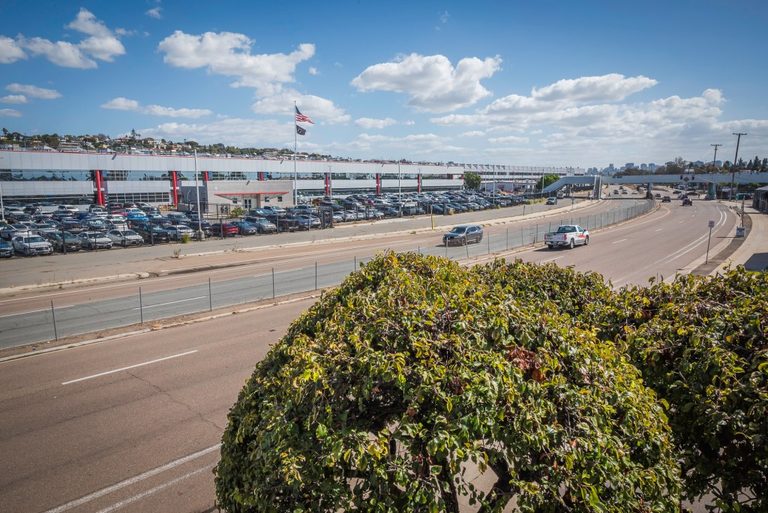
Gloria’s team has been preparing the ban for weeks and was awaiting input from the city attorney’s office before moving forward. Councilmember Sean Elo‑Rivera noted that the ordinance cannot stop a data‑center project planned for the NAVWAR site at 4301 Pacific Highway because the land is federal property.
“Because NAVWAR is federal land, the moratorium can’t stop that project,” the councilmember’s office said in a press release. City councilmembers acknowledged the limitation but argued that a local pause would still provide valuable breathing room for residents to voice concerns and for the city to develop sensible zoning standards.
Trump administration’s federal push
President Trump has taken decisive steps to encourage data‑center development on military installations. He ordered the Secretary of Defense to proactively identify sites on federal installations that could host data centers and, on July 23, 2025, signed Executive Order 14318. The order fast‑tracks data centers larger than 100 megawatts through permitting under the Clean Air Act, Clean Water Act and the Toxic Substances Control Act, while largely exempting privately funded projects from the National Environmental Policy Act (NEPA) review.
“This administration has watered down NEPA to where it’s pretty meaningless these days,” said Debbie Sivas, an environmental‑law professor at Stanford University. She added that the Trump administration’s interpretation of NEPA is “extremely narrow” and allows each federal agency to set its own, often lenient, guidelines.
Federal project at NAVWAR
Manchester Financial Group is negotiating with the Navy to redevelop the NAVWAR site. In exchange for building a new command center, Manchester would be allowed to develop the remaining land, which could include thousands of housing units, hotels, restaurants and other commercial uses. The Navy began the NEPA process for the project in 2020 and released a draft environmental impact statement in 2021, receiving more than 650 letters and 1,000 comments. The agency says it will publish a revised draft in 2027.
Sivas likened the federal push for data centers to the administration’s use of federal land for detention facilities, arguing that developers are seeking the shield of federal jurisdiction to avoid local opposition.
Public sentiment
A recent Politico poll found that at least half of Americans oppose data centers being built within three miles of their homes, and voters on both sides of the aisle are more likely to support candidates who oppose such projects. The poll reflects growing concern as the November 3 midterm elections approach.
Broader federal interest
In January, the Department of Defense solicited competitive bids from developers to lease land at Fort Hood and Fort Bliss in Texas, Fort Bragg in California, and Dugway Proving Ground in Utah for commercial data‑center use. Hundreds of cities across the country have enacted bans or moratoria on data‑center construction, prompting developers to look toward federal land as an alternative.
While local leaders in San Diego seek to protect community interests through zoning and temporary bans, the Trump administration’s policy aims to accelerate data‑center growth on federal property, arguing that it supports national security and economic competitiveness.
Original reporting: Voice of San Diego — read the source article.