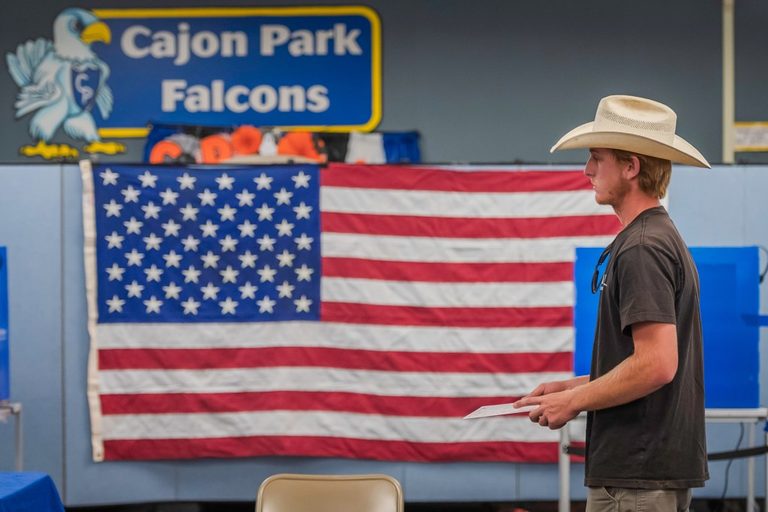
September’s arrival signals the start of what locals call “Silly Season,” a period of heightened campaign activity and political maneuvering. In San Diego, the term is already being applied to the city council races that will decide the composition of the governing body for the next four years.
Endorsements and Confusion in District 4
One of the most talked‑about moments this week involved the Lincoln Club’s claim that it had endorsed council candidate Martha Abraham. The club’s spokesperson announced the endorsement, but Abraham’s campaign quickly denied any such support. The Lincoln Club later admitted the spokesperson misspoke. While the episode may seem like campaign theater, it underscores the intense scrutiny each candidate faces as voters look for clear signals of community backing.
District 8: A Tight Race Between Labor‑Backed and Independent Candidates
District 8 is shaping up as the most competitive contest. Labor groups, including the Laborers’ Union (LiUNA Local 89) and the Municipal Employees Association, have rallied behind Gerardo Ramirez, positioning him as the candidate who will protect working‑class interests. The seat is open, and the incumbent’s party is determined not to lose it again. With both sides mobilizing volunteers, door‑to‑door outreach and mailers, the race is expected to be “mean” and closely watched by the broader San Diego political community.
Incumbent Henry Foster Faces Growing Pressure in District 4
Incumbent councilmember Henry Foster is feeling the heat. Recent reports indicate that the local firefighters’ union withdrew its endorsement, a significant blow given the union’s historical influence in city elections. Meanwhile, challenger Martha Abraham continues to build a strong online presence, attracting diverse support despite the lingering confusion over the Lincoln Club endorsement. The race illustrates how local endorsements can shift quickly during Silly Season.
San Marcos: A Microcosm of Statewide Political Battles
San Marcos, a city often described as a political crossroads, will host pivotal votes that affect not only the city council but also congressional and state Senate races. Local activists are already distributing mailers urging residents to vote, emphasizing the importance of each ballot in shaping policy from the federal level down to neighborhood streets.
Airbnb’s Role in the Local Tax Debate
Airbnb’s involvement in San Diego’s fiscal discussions resurfaced this week. In November, the company indicated it would oppose a proposed city trash fee while supporting a broader sales‑tax increase that could fund infrastructure projects. Justin Wesson, policy manager for Airbnb, stated the firm favors “meaningful solutions that help generate and protect local revenue” without imposing a heavy tax on homeowners who rent out rooms. The Laborers’ Union, a longtime ally of Airbnb on this issue, is also pushing a 2028 sales‑tax measure aimed at infrastructure improvements. A reader noted that Airbnb contributed $500,000 to a committee called the San Diego Public Safety and Infrastructure Repair Measure, highlighting the company’s continued influence in local fiscal policy.
What Voters Should Watch For
As the campaign season intensifies, voters can expect an influx of text messages, mailers and social‑media ads urging them to support or oppose candidates. Some messages may claim that opponents have been “irreparably slandered” and request donations. Readers are encouraged to verify the source of any political solicitation and to focus on the concrete policy positions each candidate offers.
Upcoming Events and Resources
Political data expert Paul Mitchell of Political Data Inc. will be in town to discuss voter trends and redistricting. Residents interested in learning more about the council races can attend his presentation, which promises insight into how demographic shifts may affect future elections.
For feedback or story ideas, contact [email protected] or [email protected].
Original reporting: Voice of San Diego — read the source article.