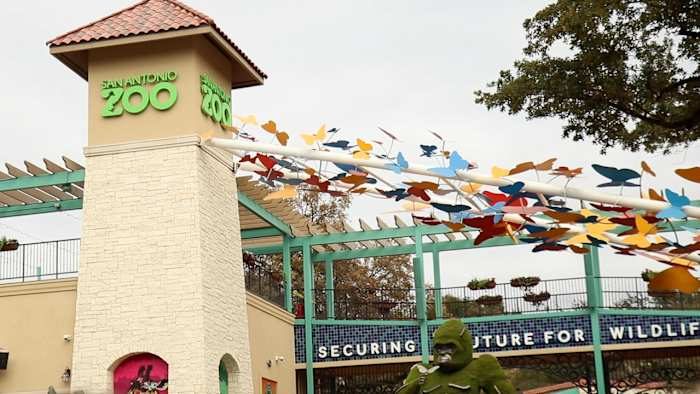
San Antonio’s flagship wildlife attraction has earned global acclaim after Condé Nast Traveler listed it among the world’s best zoos. The magazine’s updated ranking emphasizes institutions that make a measurable impact through conservation, habitat restoration and field research.
Conservation at the heart of the honor
The release cites the San Antonio Zoo’s Texas Horned Lizard Reintroduction Project and Project Selva, a partnership with Indigenous communities in the Amazon River basin, as key examples of its far‑reaching stewardship. “To be recognized as one of the best zoos in the world is an incredible honor, but what makes this recognition especially meaningful is the focus on conservation,” said Tim Morrow, president and CEO of the zoo.
Recent expansions enhance visitor experience
In recent years the zoo has undergone major growth, adding the Naylor Savanna, an immersive African savanna exhibit, and Congo Falls, a state‑of‑the‑art gorilla habitat. These additions have helped the zoo earn local accolades this summer, including Best Family Attraction and Best Tourist Attraction.
Earlier in 2025, the zoo ranked No. 7 among America’s best zoos in the USA Today 10Best Readers’ Choice Awards, and it was named one of the top ten U.S. zoos by Condé Nast Traveler and second in the nation by Newsweek.
What the recognition means for San Antonio
The honor underscores the zoo’s role as both a local family destination and a participant in global wildlife preservation. By linking on‑site education with field projects thousands of miles away, the zoo reinforces San Antonio’s reputation as a city that values family‑friendly recreation, economic tourism, and responsible stewardship of God‑created creatures.
Community leaders and families alike have praised the zoo’s commitment to protecting endangered species while providing an engaging environment for children and adults. As the zoo continues to expand its habitats and conservation programs, it is poised to attract more visitors, support local jobs, and inspire future generations to care for the natural world.
Original reporting: San Antonio, TX News (HLL/CB) — read the source article.