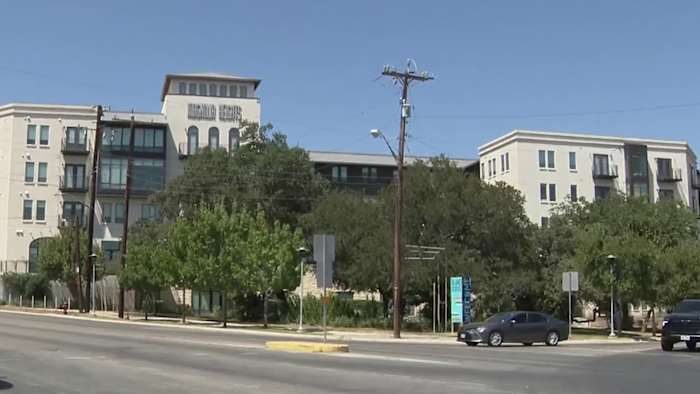
Residents of San Antonio who have paid rent at any of the roughly 40 property owners or management firms named in a nationwide class‑action lawsuit may soon receive a settlement check. The suit accuses the companies, along with RealPage Inc., a software provider that supplies pricing tools, of inflating rental prices over the past seven years.
How the settlement works
The plaintiffs and all settling defendants have agreed to a proposed $359,925,000 settlement. A judge must still give final approval before any money can be disbursed, and the exact amount each eligible renter will receive has not yet been determined.
All defendants deny the allegations, and the court has not ruled on the merits of the case. Nevertheless, the settlement is moving forward, and renters who believe they may be affected are encouraged to verify their eligibility.
Eligibility requirements for San Antonio tenants
To determine whether a San Antonio rental property is part of the proposed settlement, renters should visit the official settlement website and select the “Property List” tab. By entering the address of each rental unit where they lived, they can see if the property appears on the list of affected rentals.
If the property is listed, the next step is to confirm that the tenant paid rent at that location at any time between October 18, 2018 and November 21, 2025. Proof of payment—such as a lease agreement, rent receipts, or bank statements—must be provided when filing a claim.
Claim deadline and next steps
The deadline to submit a claim is 11:59 p.m. EST on January 29, 2027. Renters should gather the necessary documentation promptly to avoid missing the cutoff.
While the settlement amount has been approved in principle, the final distribution schedule and individual check amounts will be announced after the judge signs off on the agreement. Renters can find more detailed instructions and a direct link to the settlement portal on the court‑authorized website.
Why this matters for San Antonio families
For many families, rising rent has strained household budgets and limited the ability to save for education, healthcare, or retirement. A settlement of this magnitude could provide much‑needed financial relief to those who were overcharged, reinforcing the principle that landlords and property‑management firms must be transparent and fair in pricing.
Community leaders and consumer‑advocacy groups have welcomed the development, noting that it underscores the importance of holding large rental corporations accountable for practices that affect everyday families.
What to watch for
Renters should monitor the settlement website for updates on the judge’s approval and any further instructions regarding claim submission. Local media will continue to report on the progress of the case, especially if additional San Antonio property owners are added to the list.
In the meantime, tenants are encouraged to keep all rental‑related paperwork organized and to seek assistance from legal aid organizations if they encounter difficulties navigating the claim process.
Original reporting: San Antonio, TX News (HLL/CB) — read the source article.